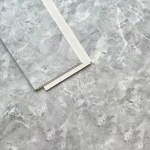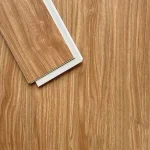
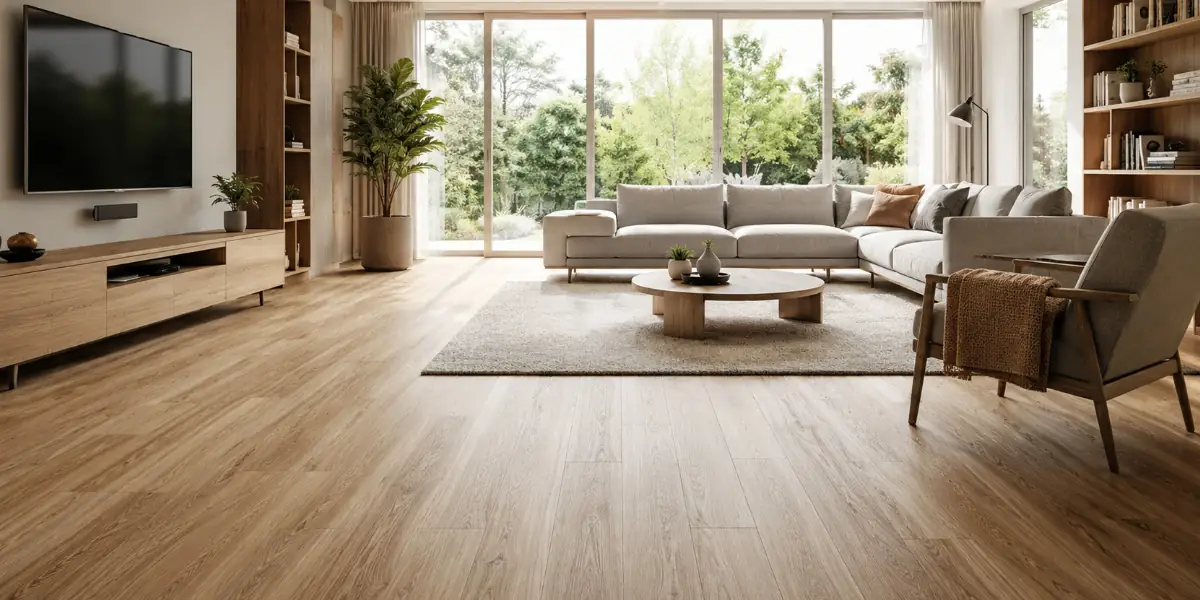
Choosing the right flooring can significantly impact the comfort, durability, and value of your property. If you’re weighing up SPC Flooring Pros and Cons, you’ll quickly see why SPC flooring (Stone Plastic Composite flooring) has become a preferred choice for homeowners, contractors, architects, and commercial developers thanks to its waterproof performance, exceptional durability, and easy installation.
However, no flooring material is perfect. Before investing in SPC flooring, it’s important to understand both its strengths and limitations, and this guide covers full SPC Flooring Pros and Cons for your reference.
This comprehensive guide explains the core SPC Flooring Pros and Cons, compares SPC with other flooring materials, and helps you determine whether it’s the right solution for your next project.
What Is SPC Flooring?
SPC (Stone Plastic Composite) flooring is a type of rigid core luxury vinyl flooring made from limestone powder, polyvinyl chloride (PVC), and stabilizers.
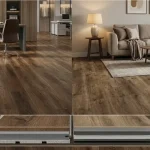
A typical SPC flooring plank consists of multiple layers:
- UV protective coating
- Wear layer
- Decorative printed film
- SPC rigid core
- IXPE or EVA underlayment (optional)
This rigid construction gives SPC flooring exceptional dimensional stability and makes it suitable for both residential and commercial applications.
Advantages of SPC Flooring
1. 100% Waterproof
One of the biggest reasons homeowners choose SPC flooring is its waterproof construction, which tops the list in SPC Flooring Pros and Cons.
Unlike hardwood or laminate flooring, SPC flooring won’t swell, warp, or deform when exposed to moisture.
It is ideal for:
- Kitchens
- Bathrooms
- Laundry rooms
- Basements
- Restaurants
- Hotels
- Retail stores
2. Outstanding Durability
SPC flooring features a rigid stone core combined with a commercial-grade wear layer, another major advantage noted in SPC Flooring Pros and Cons.
Benefits include:
- Scratch resistance
- Dent resistance
- Impact resistance
- Heavy furniture protection
- Long service life
Many commercial-grade SPC floors can last 20–30 years with proper maintenance.
3. Easy Click-Lock Installation
Most SPC flooring uses a Unilin click-lock system, allowing floating installation without nails or glue.
Advantages:
- Faster installation
- Lower labor costs
- DIY-friendly
- Easy plank replacement
This is one of the reasons SPC flooring is increasingly replacing traditional ceramic tile and laminate flooring.
4. Excellent Dimensional Stability
Because the stone core expands and contracts very little with temperature changes, SPC flooring performs better than traditional vinyl flooring in environments with varying climates.
Suitable for:
- Large open spaces
- Commercial buildings
- Offices
- Apartments
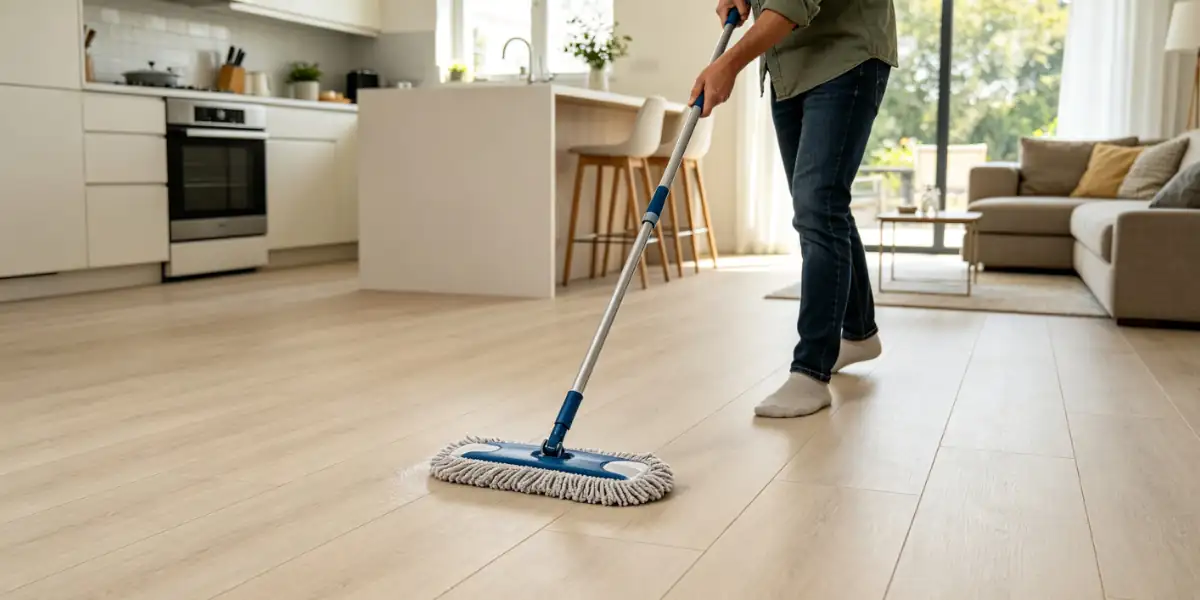
5. Low Maintenance
Daily cleaning is simple.
Maintenance only requires:
- Sweeping
- Vacuuming
- Damp mopping
No waxing, polishing, or refinishing is required.
6. Comfortable Walking Experience
Modern SPC flooring often includes an attached IXPE underlayment, providing:
- Better sound insulation
- Softer foot feel
- Reduced walking noise
- Improved thermal insulation
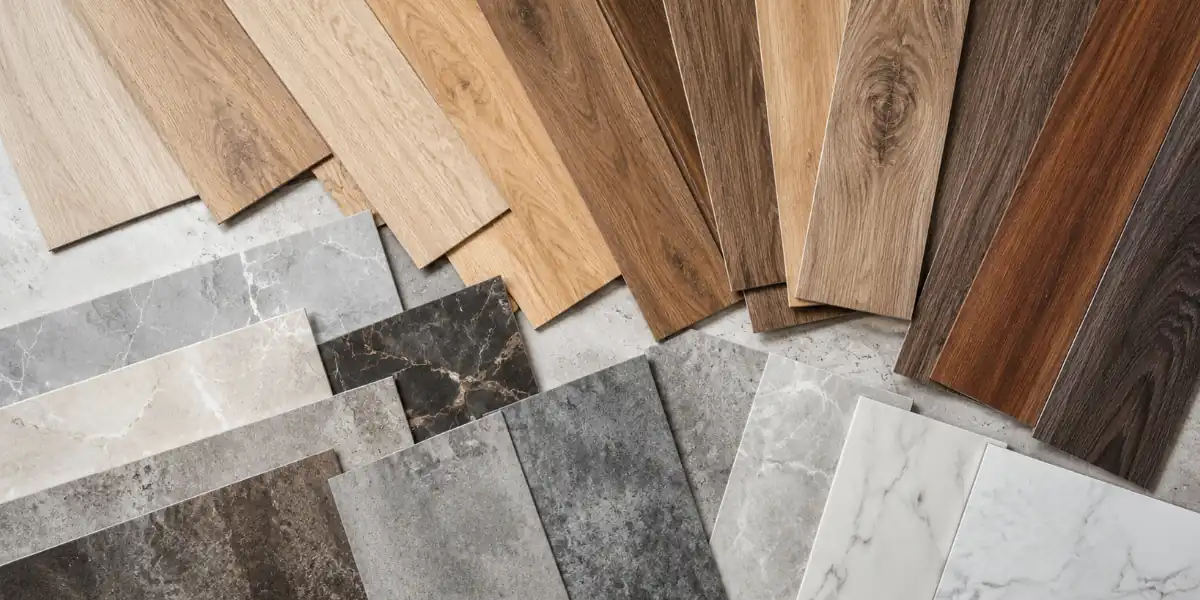
7. Wide Variety of Designs
Today’s SPC flooring can realistically imitate:
- Oak
- Walnut
- Maple
- Marble
- Slate
- Concrete
- Travertine
Advanced embossing technology creates realistic wood grain and stone textures that closely resemble natural materials.
8. Eco-Friendly Options
Many manufacturers now produce SPC flooring with:
- Low VOC emissions
- Formaldehyde-free materials
- Recyclable components
- Indoor air quality certifications
This makes SPC flooring suitable for schools, offices, healthcare facilities, and residential homes.
Disadvantages of SPC Flooring
Although SPC flooring offers many benefits, it also has some drawbacks you need to consider when reviewing SPC Flooring Pros and Cons.
1. Harder Underfoot
The rigid stone core makes SPC flooring harder than:
- Hardwood
- Cork flooring
- Carpet
People who stand for long periods may prefer thicker underlayment for added comfort.
2. Difficult to Repair
If a plank becomes severely damaged, it usually needs to be replaced rather than repaired.
Fortunately, click-lock systems make plank replacement relatively straightforward.
3. Can Feel Cold
SPC flooring does not retain heat as well as carpet or wood flooring.
In colder climates, homeowners often install:
- Radiant heating systems
- Area rugs
- Additional underlayment
4. Lower Resale Appeal Than Hardwood
Although SPC flooring looks realistic, premium hardwood flooring may still command higher resale value in luxury homes.
For high-end residential projects, hardwood remains a desirable option.
5. Requires a Flat Subfloor
Although SPC flooring hides minor imperfections, large subfloor irregularities should be corrected before installation.
Uneven surfaces can lead to:
- Joint separation
- Clicking sounds
- Reduced lifespan
SPC Flooring Pros and Cons at a Glance
| Pros | Cons |
|---|---|
| 100% waterproof | Harder underfoot |
| Extremely durable | Can feel cold |
| Scratch resistant | Difficult to repair individual planks |
| Easy installation | Needs a flat subfloor |
| Low maintenance | Hardwood may have higher resale value |
| Affordable | Less natural than real wood |
| Commercial-grade performance | Premium products cost more |
SPC Flooring vs Other Flooring Types
| Feature | SPC Flooring | Laminate | Hardwood | Ceramic Tile |
|---|---|---|---|---|
| Waterproof | ⭐⭐⭐⭐⭐ | ⭐ | ⭐ | ⭐⭐⭐⭐⭐ |
| Scratch Resistance | ⭐⭐⭐⭐⭐ | ⭐⭐⭐ | ⭐⭐ | ⭐⭐⭐⭐ |
| Installation | Easy | Easy | Difficult | Difficult |
| Comfort | Medium | Medium | High | Low |
| Maintenance | Easy | Easy | High | Easy |
| Cost | $$ | $ | $$$$ | $$$ |
| Durability | Excellent | Good | Excellent | Excellent |
Is SPC Flooring Good for Homes?
Yes. SPC flooring is particularly suitable for:
- Families with children
- Pet owners
- Rental properties
- Kitchens
- Bathrooms
- Basements
- High-traffic areas
Its waterproof and scratch-resistant properties make it one of the most practical flooring solutions available today.
Is SPC Flooring Suitable for Commercial Use?
Absolutely.
Commercial applications include:
- Hotels
- Shopping malls
- Offices
- Schools
- Hospitals
- Restaurants
- Retail stores
Commercial-grade wear layers provide excellent resistance against heavy foot traffic.
How Long Does SPC Flooring Last?
The lifespan depends on product quality and wear layer thickness.
Typical expectations:
- Residential use: 20–30 years
- Commercial use: 10–20 years
Proper installation and routine maintenance can further extend its lifespan.
Maintenance Tips
To maximize the life of your SPC flooring:
- Sweep regularly to remove abrasive dirt.
- Use felt pads under furniture legs.
- Avoid dragging heavy furniture.
- Clean spills promptly.
- Mop with a pH-neutral cleaner.
- Avoid harsh chemicals or abrasive pads.
Conclusion
SPC flooring combines waterproof performance, exceptional durability, low maintenance, and cost-effectiveness, making it one of the best modern flooring options for both residential and commercial applications.
While it may feel firmer underfoot than hardwood or carpet and requires a level subfloor for optimal installation, its long lifespan, easy maintenance, and resistance to moisture make it an outstanding investment for most projects, as you can see from our SPC Flooring Pros and Cons summary.
If you’re looking for a reliable flooring solution that balances performance, aesthetics, and affordability, SPC flooring is well worth considering.
Contact Us
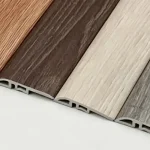
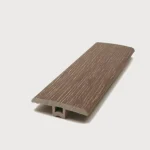
Looking for a trusted SPC flooring manufacturer or supplier? We offer a wide range of wood grain SPC flooring, stone pattern SPC flooring, matching SPC skirting boards, and installation accessories for residential and commercial projects worldwide.
Contact us today to request a free catalog, product samples, or a customized quotation for your next flooring project.