نمط الحجر SPC-Eing

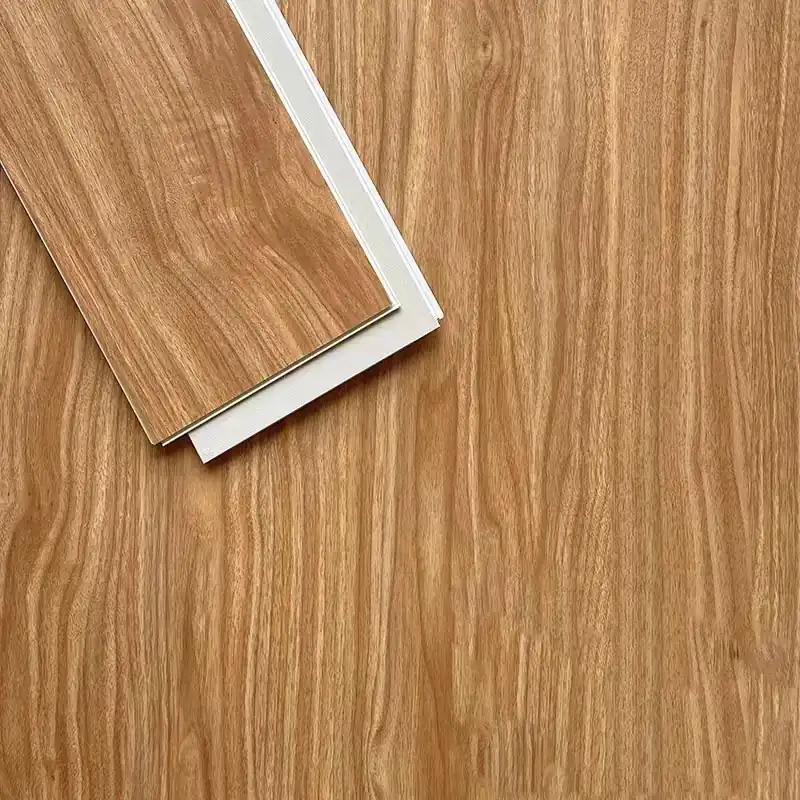
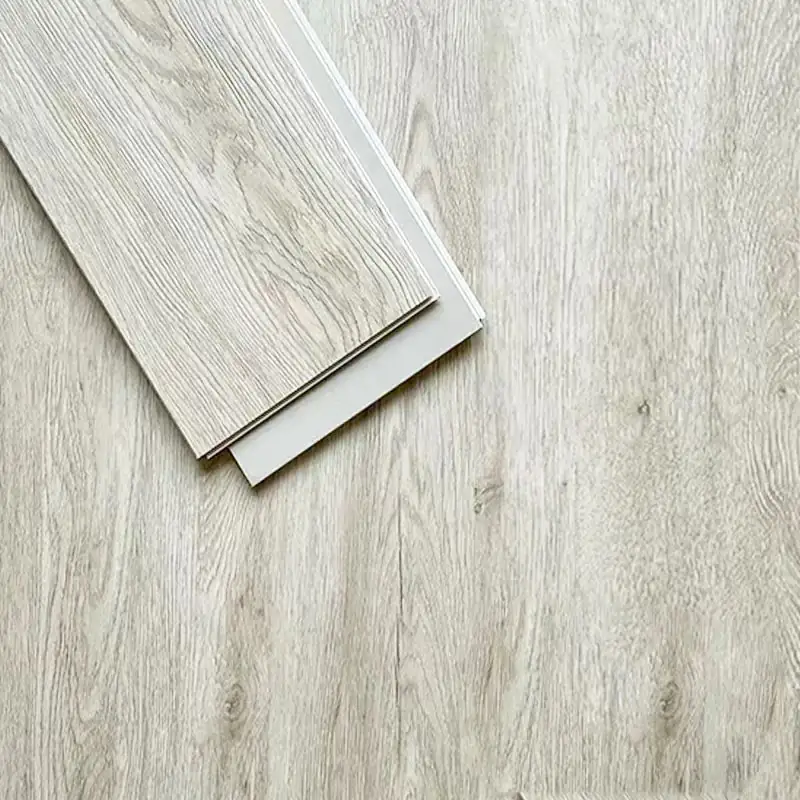
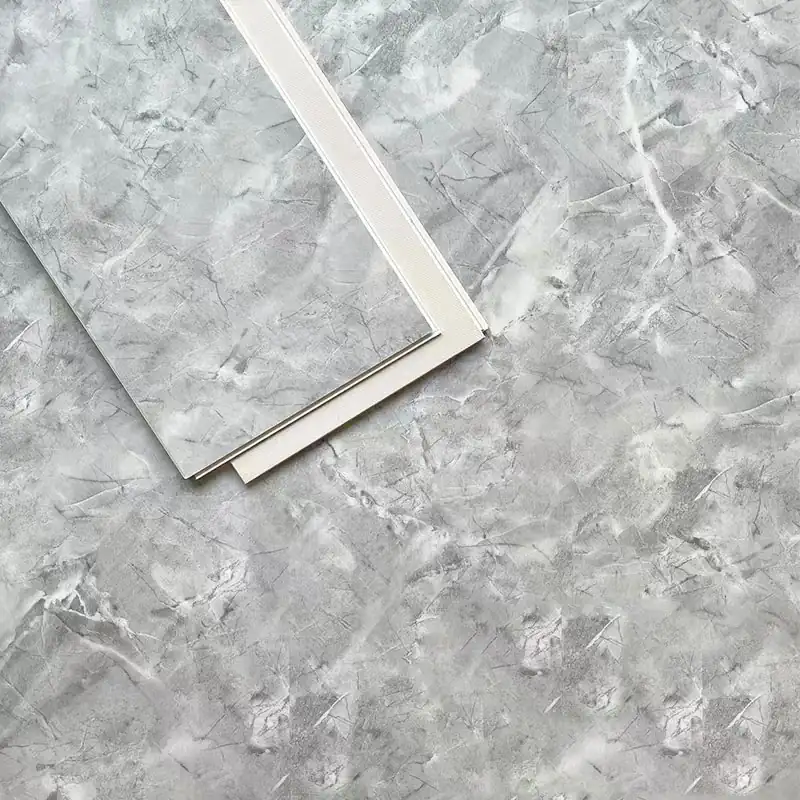
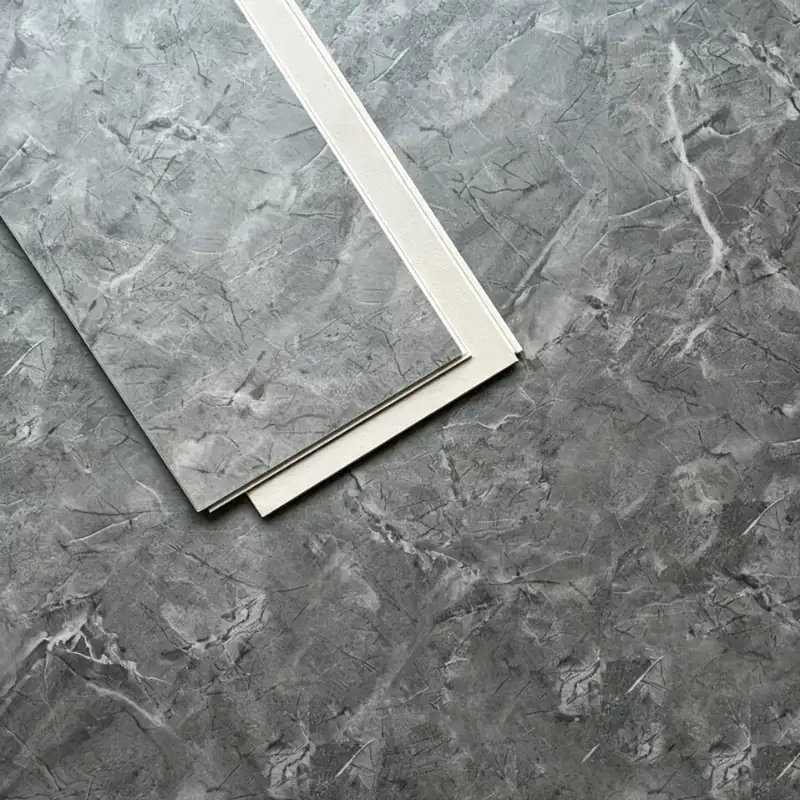
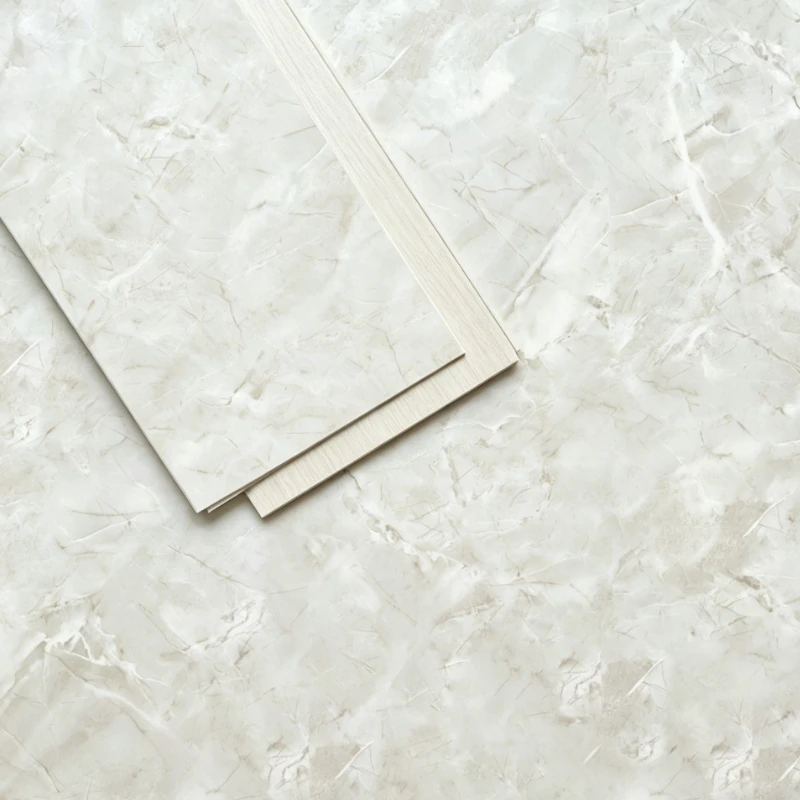
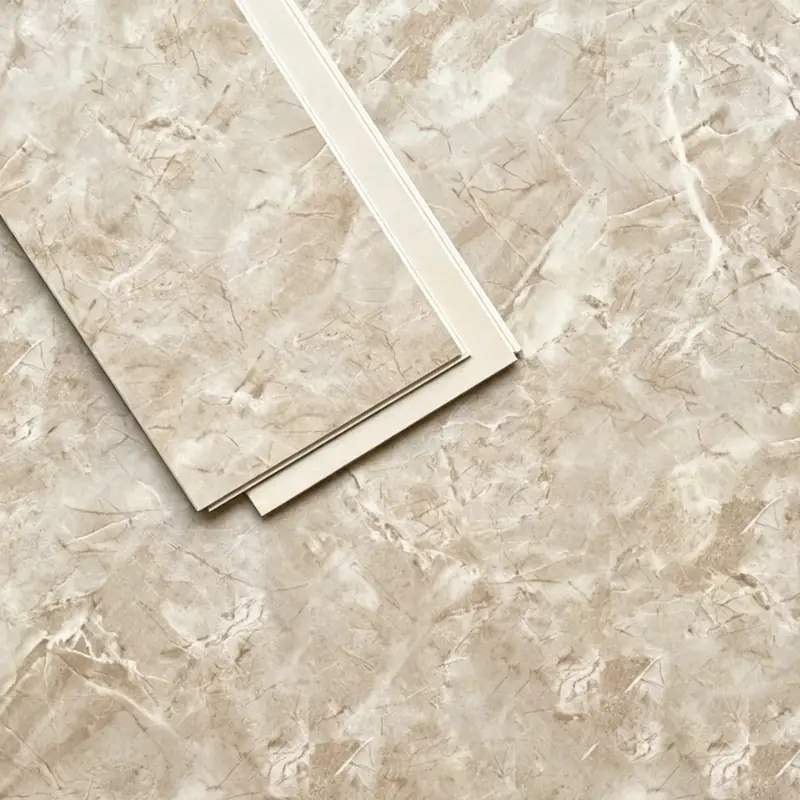
stone-pattern-spc-flooring-surface-closeup أرضيات بنمط حجري بتشطيب حبيبات الخشب تفاصيل نسيج الأرضيات بنمط حجري تفاصيل سطح أرضيات بنمط حجري أرضيات بنمط حجري - نسيج رخامي

نمط الحجر SPC-Eing

أرضيات SPC بنمط الحجر هي حل أرضيات متين ومقاوم للماء يحاكي المظهر الطبيعي للحجر، مما يوفر خيارًا أنيقًا وعمليًا للديكورات الداخلية الحديثة.

المزايا:

  • مظهر حجري واقعي بتصميم أنيق
  • مقاوم للماء بنسبة 100%، مثالي للمطابخ والحمامات
  • هيكل أساسي من مادة SPC يتميز بالمتانة والاستقرار العاليين
  • مقاوم للخدش والصدمات للمناطق ذات الحركة المرورية العالية
  • تركيب سهل بنظام القفل بالضغط، مما يوفر الوقت والجهد
  • صيانة منخفضة وسهلة التنظيف
  • متوفر بألوان وقوام متنوعة

خطأ: نموذج الاتصال غير موجود.

Categories ,

ما هي أرضيات SPC ذات النمط الحجري؟

أرضيات SPC بنمط الحجر هي أرضيات صلبة عالية الأداء مصممة لمحاكاة المظهر الطبيعي للمواد الحجرية مثل الرخام والأردواز والخرسانة. وهي مصنوعة من مزيج من مسحوق الحجر الجيري الطبيعي، وكلوريد البولي فينيل (PVC)، ومواد مثبتة، مما يشكل بنية كثيفة ومتينة.

بالمقارنة مع الأرضيات الحجرية التقليدية، يوفر هذا النوع من أرضيات SPC حلاً أكثر عملية بفضل وزنه الأخف وسهولة تركيبه وقلة متطلبات صيانته. فهو يجمع بين المظهر الجمالي الواقعي والأداء المتقدم، مما يجعله خيارًا مثاليًا للتصميمات الداخلية الحديثة للمنازل والمباني التجارية.
Realistic Stone Effect Stone Pattern SPC Flooring


مواصفات المنتج

نظام القفل بالضغط

العنصر المعلمة
المادة مركب الحجر والبلاستيك (SPC)
السماكة 4 مم / 5 مم / 6 مم / 8 مم
طبقة مقاومة للتآكل 0.2 مم، 0.3 مم، 0.5 مم، 0.7 مم، 1.0 مم
مقاس 6 بوصات × 48 بوصة (150 × 1220 مم)
7 بوصات × 48 بوصة (182 × 1220 مم)
9 بوصات × 48 بوصة (230 × 1220 مم)
9 بوصات × 60 بوصة (230 × 1525 مم)
ملمس السطح حبيبات الخشب / الرخام / السجاد
التثبيت
طلب المنزل، المكتب، المتجر، الفندق، المدرسة

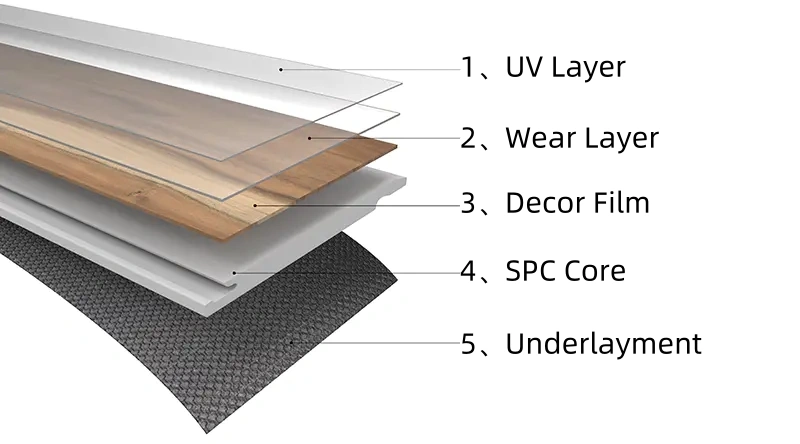
The Structure Of Stone Pattern SPC Flooring

  1. طبقة الحماية من الأشعة فوق البنفسجية: تحمي هذه الطبقة السطح من الخدوش والبقع والبهتان. كما أنها تُحسّن مقاومة التآكل وتُسهّل التنظيف اليومي، مما يُساعد الأرضية على الحفاظ على مظهرها الأصلي.
  2. طبقة الحماية (طبقة التآكل): توفر طبقة الحماية حماية قوية ضد الاحتكاك والصدمات وحركة المرور الكثيفة. وتضمن طبقة الحماية السميكة متانة أفضل وتطيل عمر الأرضية.
  3. طبقة زخرفية: تمنح هذه الطبقة أرضيات SPC مظهرًا واقعيًا، مثل ملمس الخشب أو الحجر أو الرخام. وتُتيح تقنية الطباعة عالية الدقة تصميمات طبيعية وأنيقة تناسب مختلف أنماط الديكور الداخلي.
  4. قلب SPC: قلب SPC هو الطبقة الهيكلية الرئيسية المصنوعة من مسحوق الحجر الجيري ومادة PVC. يتميز بصلابة ممتازة، ومقاومة للماء بنسبة 100%، وثبات أبعاد عالٍ، مما يمنع التمدد أو التشوه.
  5. الطبقة السفلية: الطبقة السفلية هي طبقة داعمة اختيارية تُحسّن الراحة تحت القدم، وتقلل الضوضاء، وتعزز العزل. كما أنها تساعد على تسوية عيوب الأرضية الفرعية الطفيفة لتسهيل التركيب.
طبقات هيكل أرضيات SPC

الميزات الرئيسية

مظهر حجري واقعي

صُممت هذه الأسطح بتقنية الطباعة عالية الدقة، مما يسمح بمحاكاة دقيقة لقوام الأحجار الطبيعية مثل الرخام والأردواز.

مقاوم للماء بنسبة 100%

مقاوم للماء تماماً، مما يجعله مناسباً للمناطق المعرضة للرطوبة مثل المطابخ والحمامات.

متين ومستقر

يمنع الهيكل الأساسي الصلب التمدد والانكماش، مما يضمن استقرارًا طويل الأمد حتى في ظل الاستخدام المكثف.

سهولة التركيب

مزود بنظام قفل بالضغط، مما يسمح بالتركيب السريع والخالي من المتاعب دون الحاجة إلى أدوات احترافية.

صيانة منخفضة

لا يتطلب سوى الحد الأدنى من الصيانة ويمكن تنظيفه بسهولة باستخدام طرق التنظيف المنزلية العادية.

صديق للبيئة وآمن

مصنوع من مواد صديقة للبيئة، وخالٍ من المواد الضارة، وآمن للاستخدام في البيئات الداخلية.

فوائد

  • يوفر بديلاً فعالاً من حيث التكلفة للأرضيات الحجرية الطبيعية
  • خفيف الوزن وأسهل في النقل والحمل
  • يقلل من وقت التركيب وتكاليف العمالة
  • يتميز بعمر خدمة طويل وأداء ثابت
  • يضفي لمسة عصرية وأنيقة على المساحات الداخلية

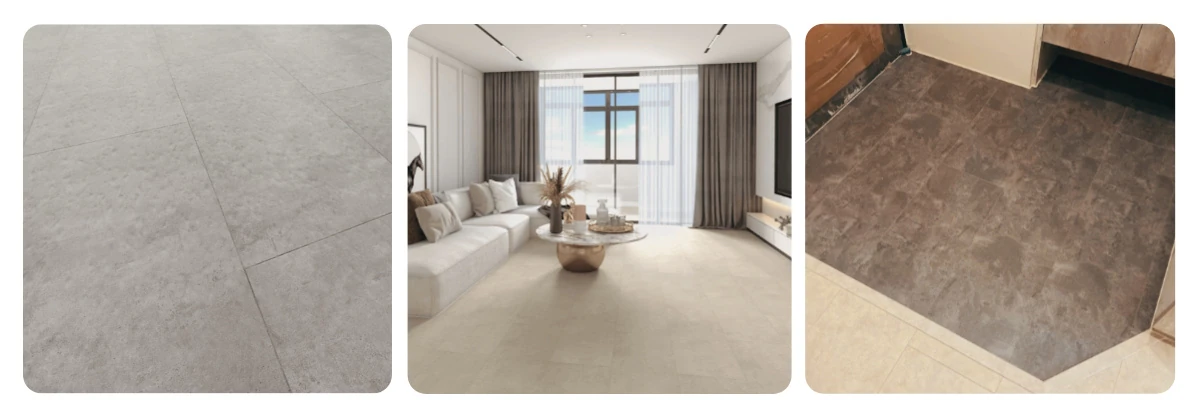
استخدامات أرضيات SPC بنمط الحجر

تُستخدم أرضيات SPC ذات النمط الحجري على نطاق واسع في مجموعة متنوعة من المساحات نظرًا لمتانتها وتعدد استخداماتها:

  • غرف المعيشة وغرف النوم
  • المطابخ والحمامات
  • المكاتب والمباني التجارية
  • الفنادق والمطاعم ومتاجر البيع بالتجزئة
  • المناطق ذات الحركة المرورية العالية التي تتطلب أرضيات متينة

نظام التركيب

صُممت أرضيات SPC بنمط الحجر لسهولة التركيب باستخدام نظام التعشيق بالضغط. وللحصول على أفضل النتائج، تأكد من أن الأرضية الأساسية نظيفة ومستوية وجافة قبل التركيب.

تتضمن خطوات التثبيت الأساسية ما يلي:

  1. قم بتجهيز وتنظيف الأرضية الفرعية
  2. قم بقياس وتخطيط التصميم
  3. قم بتثبيت الألواح باستخدام نظام القفل بالضغط
  4. تأكد من إحكام التوصيلات بين الألواح
  5. تشطيب كامل مع الزخارف والملحقات

لماذا تختارنا؟

نقدم حلولاً عالية الجودة للأرضيات، مدعومة برقابة صارمة على الجودة وقدرة إنتاجية مستقرة. منتجاتنا مطابقة للمعايير الدولية ومناسبة لمجموعة واسعة من المشاريع السكنية والتجارية.

مع التركيز على المتانة، وواقعية التصميم، والأداء طويل الأمد، فإننا نهدف إلى تقديم منتجات موثوقة تعمل على تحسين المساحات الداخلية وتلبي متطلبات السوق العالمية.
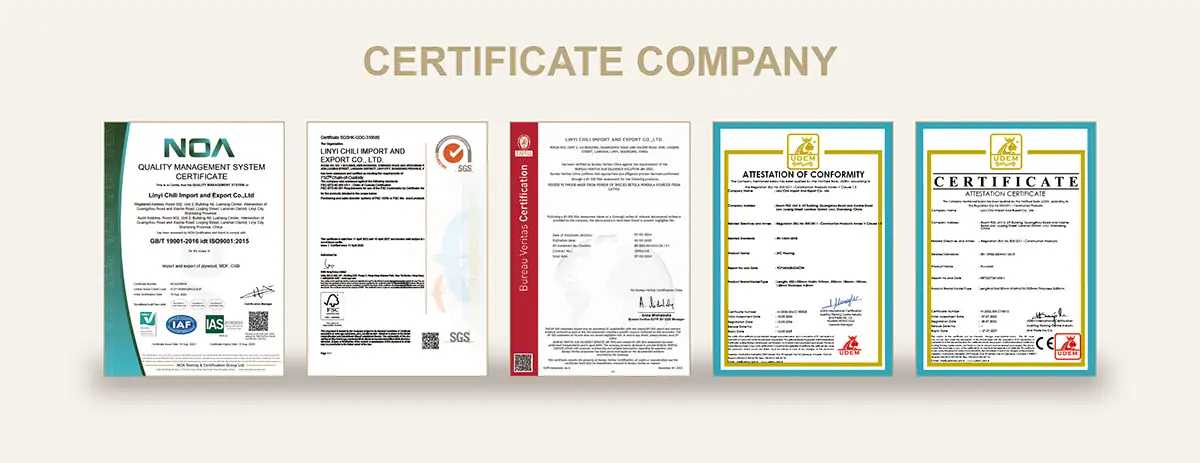
 

شهادات الشركة

الأسئلة الشائعة (FAQ)

ما هو نوع أرضيات SPC هذا؟

يتميز هذا النوع من الأرضيات بهيكل أساسي صلب وهو مصمم لتقليد أسطح الأحجار الطبيعية مثل الرخام والأردواز والخرسانة، حيث يجمع بين المظهر الواقعي والمتانة القوية.

هل هو مناسب للمناطق ذات الحركة المرورية العالية؟

نعم، فهو يوفر مقاومة ممتازة للتآكل والخدوش والصدمات، مما يجعله مثالياً لكل من المساحات السكنية والتجارية ذات الحركة الكثيفة.

هل يمكن تركيبه فوق الأرضيات الخرسانية؟

نعم، يمكن تركيبه مباشرة فوق الخرسانة طالما أن السطح مستوٍ ونظيف وجاف قبل التركيب.

كيف تقوم بتنظيفه وصيانته؟

لا يتطلب صيانة كبيرة. يكفي كنسه بانتظام ومسحه بقطعة قماش مبللة من حين لآخر للحفاظ عليه نظيفاً وفي حالة جيدة.

  1. TOOLS NEEDED
    • Double-sided mallet
    • Tapping block
    • Utility knife
    • Vinyl plank cutter (optional)
    • Knee pads
    • 3mm spacers
    • A pencil
    • Measuring tape
    • A level
    • Carpenter’s square
  2. PLANKS NEEDED TO COMPLETE YOUR PROJECT Measure the length and width of your room. If the room has alcoves or offsets, measure these separately. This will give you the square footage of the room. Purchase a minimum of 10% extra to cover mistakes, trimming and for future needs or replacement. Most installations require about 10% overage. However, this can vary depending upon the room size and layout. Do not install over Carpet or Carpet Pad. This product is not suitable for any outside use, sunrooms, solariums, or saunas. Exposure to long-term direct sunlight can cause damage to your floor.
  3. PRIOR TO INSTALLATION CHECK THE PLANKS BEFORE INSTALLING THEM TO BE SURE OF APPEARANCE Colour, shade or texture variations between samples, print colour photography & the actual material are not warranted. Mix & install planks from several different cartons to minimize shade variations. Planks should always be inspected for any dye lot variations. We will not warrant that different dye lots will match each other. We maintain strict quality control at the factory, but it is a good idea to check each plank for blemishes or flaws.ACCLIMATE Flooring BEFORE INSTALLATION You must place vinyl horizontally in the room where it will be installed for 48 hours prior to installation. Maintaining an optimum temperature between 16°C to 27°C and a humidity range of 30-50% is recommended during installation and life of floor. Do not remove the planks from the case during this acclimation period
  4. SUBFLOOR PREPARATION The subfloorsurface must be smooth, flat dry, clean, and solid. Carpetstaples or adhesive residue must be removed to ensure proper installation. Subfloorsshould be flat within a tolerance of 4.8mm per 3m. Any unevenness over 4.8mm must be sanded down or filled with a floor leveller. Voids or humpsin the subfloor will prevent vinyl from locking properly. Subfloors must be carefully checked for moisture problems. Any moisture problems need to be addressed prior to installation. New concrete floors need lo cure for a minimum of 60 days.
  5. MOISTURE & TEMPERATURE It is the contractor’s as well as the installer’s responsibility to test all concrete substrates, both new and old, for moisture content to determine if it is sufficiently dry to install flooring. – Maximum level per CaC1 test method is 2.27kg/453.6kg in 24 hours. – Maximum level for ASTM2170 i-SITU Relative humidity test method is 85%. – Relative humidity levels should never exceed 85%. Moisture will not damage the flooring, but it can get in walls & structure of the home and create an unhealthy environment. NOTE: SPC Flooring does not warrant or guarantee unsatisfactory installations due to the presence of excessive alkali, moisture, or hydrostatic pressure in subfloors. SPC floors have good thermal resistance characteristics; however, they are not designed for prolonged exposure to high temperatures.

    Here are a few points to consider:

    1. Temperature Limits: Most SPC flooring manufacturers recommend avoiding exposure to temperatures above 27-30 degrees Celsius, as this can lead to deformation or damage to the material.
    2. Installation Issues: When installing SPC flooring, it’srecommended to adhere to the temperature guidelinesto avoid problemsrelated to expansion and contraction of the material.
  6. OVER HYDRONIC RADIANT HEAT Flooring can be Installed over Hydronic radiant heat if the following guidelines are followed: – Complete system must be operational for a minimum of one week.- System should be turned off 72 hours prior to installation of Aquarius flooring and remain off 72 hours after installation is complete. – Turn system back on to its normal room temperature setting.- The subfloor surface must never exceed 30°C throughout the life of the floor. – Flooring and adhesive should never come in direct contact with heating system.
  7. UNDERLAYMENT The Flooring (If does not have attached pad) can be installed over approved dense sound underlayment. Must tape seams with waterproof duct tape. Do not use any additional underlayment if Flooring already has attached underlayment.
  8. INSTALLATION
    1. Start in a Corner: Begin in a corner of the room, placing spacers between the wall and the first plank to maintain an expansion gap.
    2. Laying the First Plank: Carefully align the first plank and gently tap it into place using a rubber mallet and tapping block.
    3. Continue Adding Planks: Install the next plank by angling it slightly and snapping it into the groove of the first plank. Continue this process, ensuring each plank is firmly in place.
    4. Cutting Planks: Measure and mark where cuts are needed. Use a utility knife to score the plank and then snap it along the line. A fine-tooth saw can also be used for complex cuts.
    5. Stagger the Seams: Make sure to stagger the seams by at least 6 inches between adjacent rows for a more natural and stable floor.
    6. Fitting Around Obstacles: When reaching obstacles like door frames or pipes, measure and cut the planks to fit. Always leave a small expansion gap around these areas.
    7. Final Row: For the last row, measure the gap and cut the planks to fit. It might be necessary to use a pull bar to snugly fit the last row of planks.
    8. Finishing Touches: Once all planks are laid, remove the spacers. You can add baseboards or quarter-round molding to cover the expansion gaps and enhance the room’s appearance.
  9. BASIC CLEANING Once all traces of adhesive have been removed, the floor should be dry vacuumed to remove all dust and loose debris. Damp mop as needed using clean water and diluted Ph. Neutral cleaner in cool water or ready to use spray cleaner that will not leave a residue. Do not use harsh cleaners or chemicals on floor. Do not use abrasive scrubbing tools, detergents, caustic cleaners, abrasive cleaners or “mop and shine” products. After 5-10 minutes, all dirt and residue of the cleaning agent should be removed; the floor should be rinsed with a damp mop and allowed to dry. Overtime floors may begin to lose their lustre and may require an application of floor polish. When and where you apply the floor polish will depend on the traffic the floor receives.

Related Products

Wood grain SPC flooring natural oak texture surface
عرض أرضيات SPC بتشطيب سطحي حديث مقاوم للماء