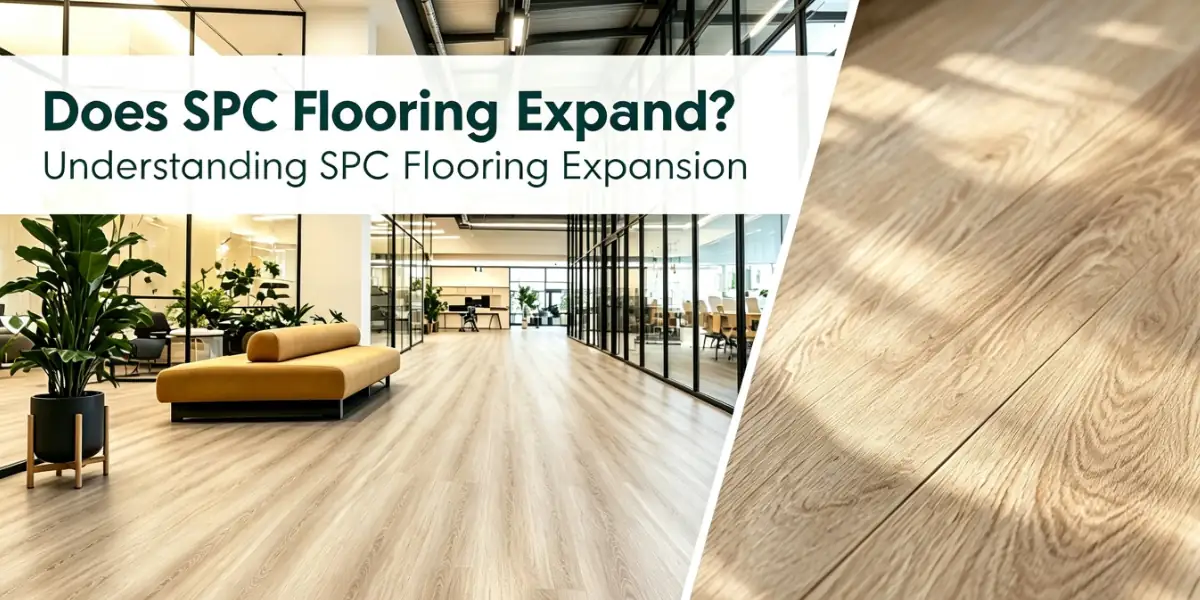
Does SPC flooring expand? Yes, SPC flooring can experience slight expansion and contraction, although its rigid core provides good dimensional stability compared with many other flooring materials. Temperature changes, installation conditions, direct heat exposure, and the surrounding environment can all affect how SPC flooring behaves.
Understanding SPC flooring expansion is important for installers, distributors, contractors, and project buyers. Even when a flooring product has good dimensional stability, proper installation still requires attention to expansion gaps and perimeter clearance.
Does SPC Flooring Expand or Contract?
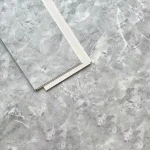
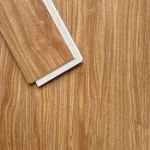
SPC flooring is designed with a rigid core made primarily from limestone powder, PVC, and stabilizers. This structure gives the flooring a stable construction and helps minimize dimensional movement.
However, low expansion does not mean zero expansion. Like other flooring materials, SPC flooring can experience slight dimensional changes when exposed to temperature fluctuations and other environmental conditions.
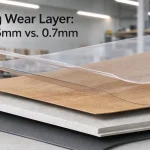
YPRO SPC flooring is designed with a stable rigid core and is available in 4mm, 5mm, 6mm, and 8mm thicknesses, with different wear layer options for various applications. The overall flooring specification can affect how the product performs in different environments. Learn more about SPC flooring thickness.
For this reason, buyers should evaluate both the product construction and the manufacturer’s installation requirements instead of assuming that SPC flooring will never move.
What Causes SPC Flooring Expansion?
Several factors can contribute to dimensional movement in SPC flooring.
Temperature Changes
Temperature is one of the main factors to consider. When flooring is exposed to significant changes in temperature, the material can expand or contract slightly.
For example, a room with large temperature differences between daytime and nighttime may place more demands on the flooring system than an environment with relatively stable indoor conditions.
Direct Sunlight and Heat
Areas close to large windows, glass doors, conservatories, or strong heating sources can experience higher surface temperatures.
Long periods of direct sunlight can create localized temperature differences across the floor. For commercial projects with large glazed areas, buyers and installers should consider the expected environmental conditions when planning installation.
Installation Conditions
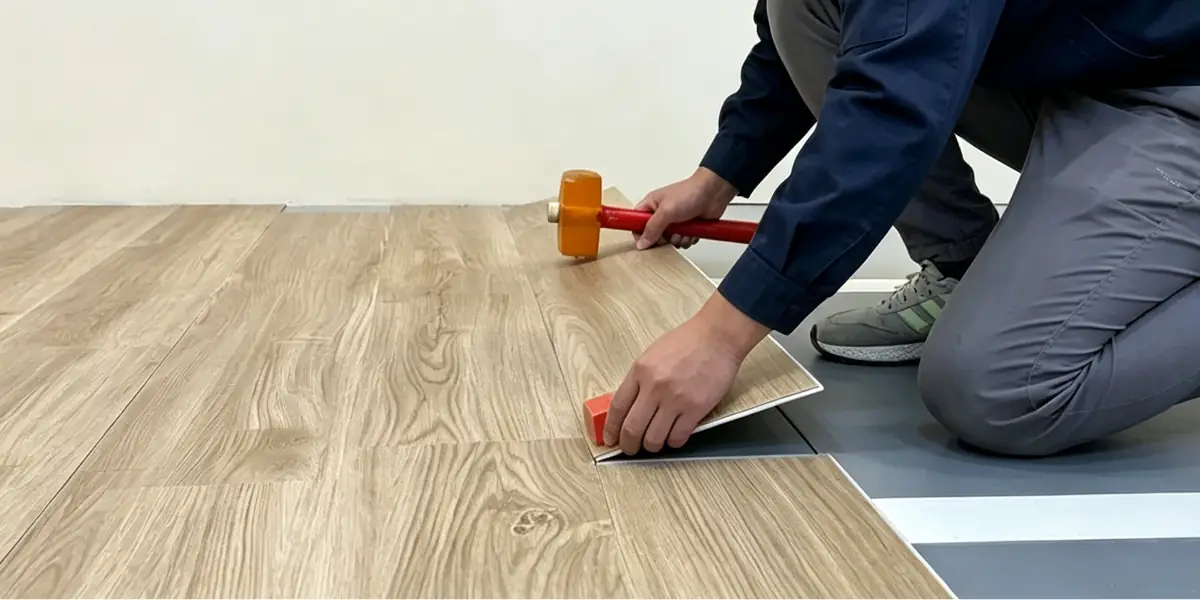
The way SPC flooring is installed also matters. A floating floor needs sufficient perimeter clearance to accommodate normal dimensional movement.
If the flooring is installed too tightly against walls or other fixed structures, there may not be enough space for slight movement. This can increase pressure around the perimeter and potentially contribute to installation problems.
Subfloor and Room Conditions
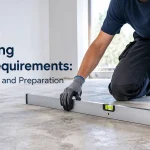
The condition of the subfloor and the environment before installation should also be considered. A suitable, level, and properly prepared subfloor provides a better foundation for the flooring system.
For a broader introduction to SPC construction, applications, and installation, see What Is SPC Flooring?.
Does SPC Flooring Need an Expansion Gap?
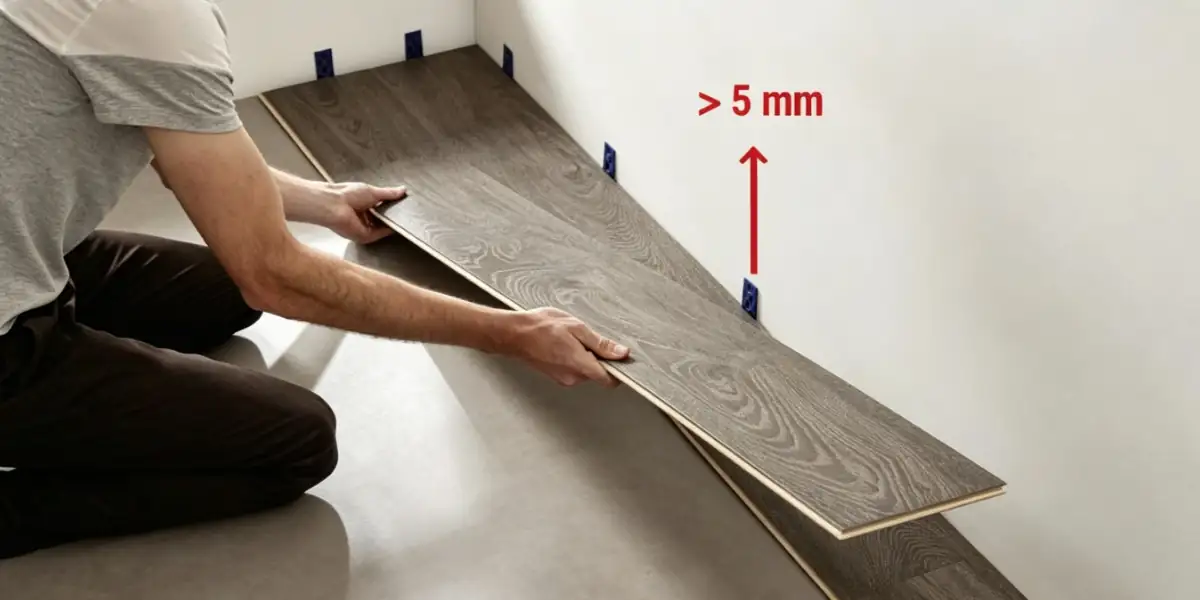
Yes, an appropriate expansion gap is generally required for floating SPC flooring installations. The exact gap should follow the manufacturer’s installation instructions and product specifications.
The purpose of the gap is to provide clearance around walls, door frames, columns, cabinets, and other fixed structures. This gives the flooring room to accommodate normal dimensional movement without being compressed at the edges.
Although SPC flooring has relatively low expansion and contraction, it is still important not to install floating planks tightly against fixed surfaces.
Expansion gaps are normally hidden after installation with suitable finishing profiles, such as skirting boards.
For a more detailed explanation of how the flooring, expansion gap, skirting, and transition profiles work together, see SPC Flooring and Skirting Boards.
What Happens If There Is No Expansion Gap?
If a floating SPC floor does not have sufficient perimeter clearance, movement may create pressure between the flooring and surrounding structures.
Depending on the product, room conditions, and installation quality, this pressure can contribute to:
- Raised or uneven flooring
- Edge pressure
- Stress around locking joints
- Visible installation problems
- Buckling in more severe situations
This does not mean that every installation without a suitable gap will automatically fail. However, insufficient clearance removes part of the space needed for normal dimensional movement.
Following the manufacturer’s installation instructions is therefore more reliable than relying on a general assumption about how much SPC flooring will move.
How Can You Reduce SPC Flooring Expansion Problems?
Proper product selection and installation can help reduce potential problems.
1. Follow the Manufacturer’s Installation Guide
Different SPC products can have different construction, locking systems, and installation requirements. Always check the manufacturer’s instructions before installation.
2. Leave the Required Perimeter Gap
Do not install floating SPC flooring tightly against walls or fixed structures. The required clearance should be based on the product’s technical documentation.
3. Consider Temperature Conditions
Avoid exposing newly installed flooring to extreme temperature conditions whenever possible. Areas with strong sunlight or significant heat sources may require additional planning.
4. Prepare the Subfloor Properly
A clean, stable, and sufficiently level subfloor helps the flooring system perform as intended. Major unevenness should be addressed before installation.
5. Select the Correct Flooring Specification
Thickness, wear layer, core construction, locking system, and underlayment can all form part of the overall product specification.
For example, YPRO currently offers SPC flooring from 4mm to 8mm with wear layers ranging from 0.2mm to 1.0mm. However, a thicker plank does not automatically mean lower expansion. Product construction and installation requirements should still be reviewed separately.
How Is SPC Flooring Expansion Managed Around the Room?
After the flooring is installed with the required perimeter clearance, the exposed edge can be finished with suitable profiles.
Skirting boards are commonly used around walls because they can cover the expansion gap while also protecting the lower wall area.
However, traditional skirting is not the only possible solution. Depending on the interior design, projects may use concealed edge systems, built-in furniture, or other finishing details.
For projects that require traditional skirting, SPC Skirting Boards can provide a coordinated finish with the flooring.
SPC Flooring Expansion: What Should Buyers Check?
For importers, distributors, and project buyers, expansion should be considered as part of the complete flooring specification.
Before placing an order, check:
- SPC core construction
- Product thickness
- Wear layer
- Locking system
- Recommended installation method
- Perimeter gap requirements
- Applicable temperature conditions
- Underlayment construction
- Technical and installation documentation
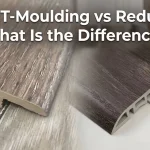
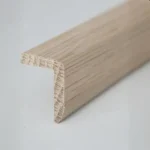
It is also useful to source compatible finishing components. YPRO’s SPC Flooring Accessories include skirting boards, reducers, T-moulding, L-moulding, and stair nosing for different installation areas.
For distributors, evaluating the flooring and accessory system together can make product matching and project planning easier.
Does SPC Flooring Expand More Than Other Flooring?
SPC flooring is generally recognized for good dimensional stability because of its rigid core. However, different flooring materials have different structures and installation requirements, so direct comparisons should be based on specific product data rather than broad assumptions.
Natural wood flooring, for example, is strongly affected by environmental humidity, while other resilient flooring products may respond differently to temperature.
For SPC flooring, the key point is that minimal expansion does not mean no dimensional movement. Correct installation remains important even when the flooring has a highly stable rigid core.
Conclusion
So, does SPC flooring expand? Yes, SPC flooring can experience slight expansion and contraction, but its rigid core helps provide good dimensional stability. Temperature changes, direct heat, installation conditions, and the surrounding environment can all influence flooring movement.
For floating installations, following the manufacturer’s required perimeter gap is essential. Proper subfloor preparation, suitable product selection, and compatible finishing accessories can also help create a more reliable installation.
For flooring distributors, contractors, and project buyers, understanding SPC flooring expansion is an important part of selecting and installing the right flooring system.
Contact YPRO to discuss SPC flooring specifications, installation requirements, matching skirting boards, and accessories for your next project.