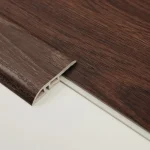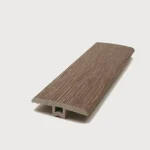
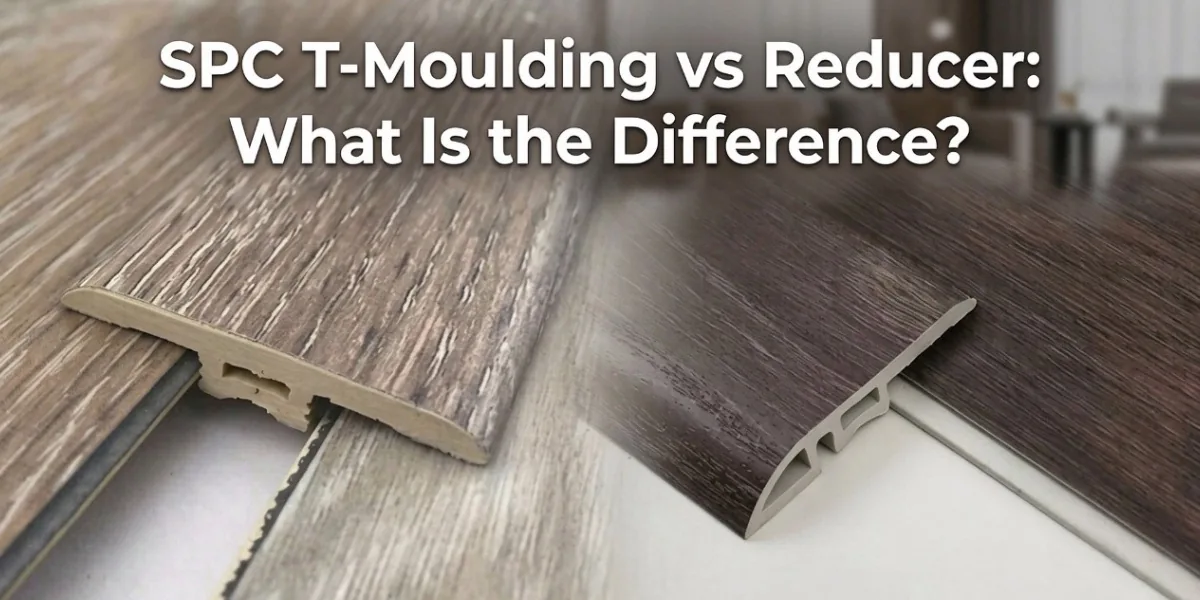
SPC T-moulding vs reducer is an important comparison for flooring distributors, importers, contractors, and project buyers selecting finishing accessories. Both profiles create transitions between flooring surfaces, but they serve different purposes. T-moulding is generally used between floors at similar heights, while a reducer connects SPC flooring to a lower surface. Understanding their structures, installation locations, and fixing methods helps buyers select the right accessory for each project.
What Is SPC T-Moulding?
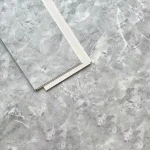
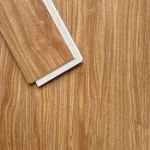
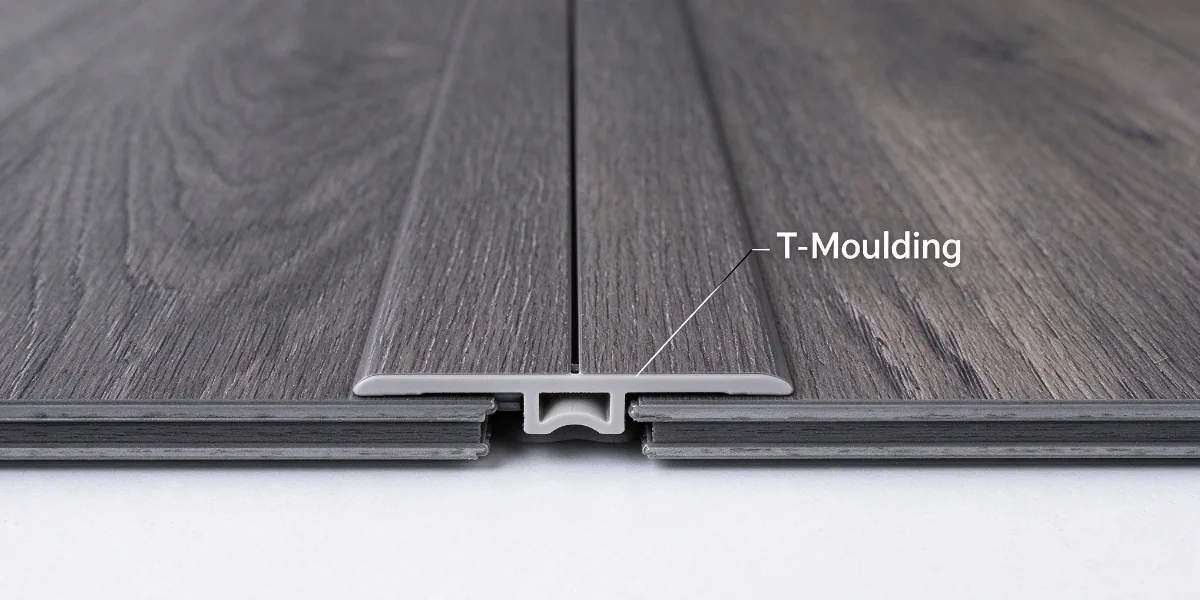
SPC T-moulding is a transition profile designed to cover the joint between two flooring surfaces at approximately the same height. Its cross-section resembles the letter T, with a top section that covers the joint and edges of the adjacent flooring.
This profile is commonly used in doorways, hallways, and connections between rooms with the same flooring level. For example, it can separate two SPC flooring areas with different colors or patterns while creating a neat transition.
T-moulding also helps protect exposed flooring edges around the joint. However, it should not be used to compensate for a substantial height difference. The profile must fit the flooring thickness and joint dimensions, and the installation should follow the flooring manufacturer’s expansion-gap requirements.
For product specifications, colors, and installation options, see YPRO’s SPC T-Moulding product page.
What Is an SPC Flooring Reducer?
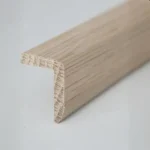
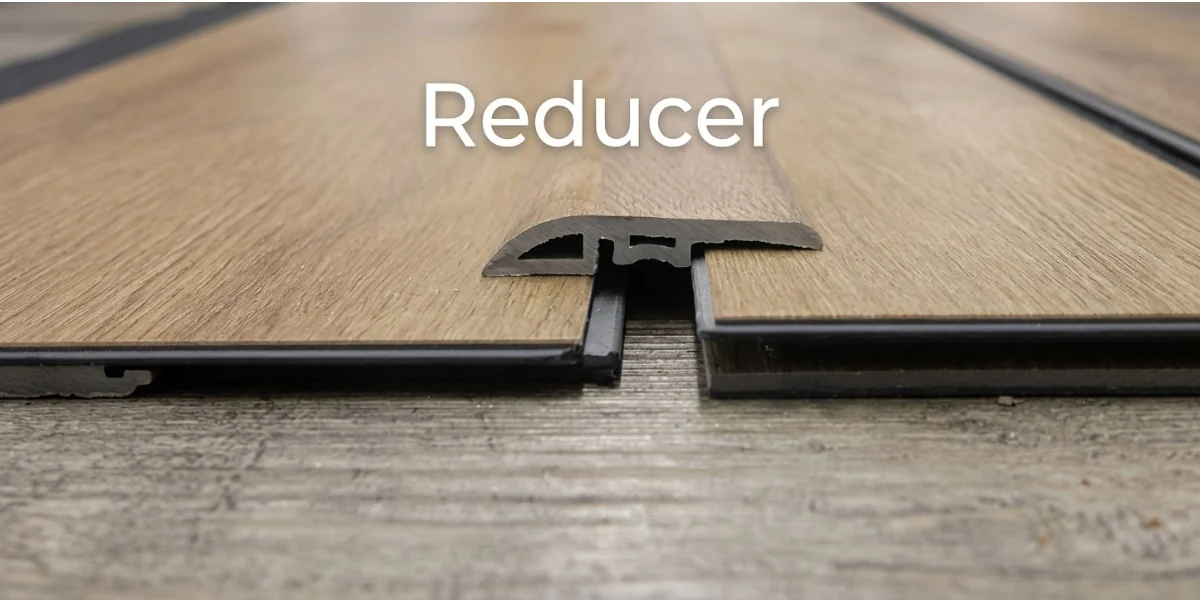
An SPC flooring reducer is designed to create a gradual transition between flooring surfaces at different heights. Its profile typically slopes from the higher flooring edge toward the lower surface, helping avoid an abrupt step.
Reducers are commonly used where SPC flooring meets lower tile, concrete, carpet, vinyl, or other flooring materials. They are particularly useful in renovation projects where existing floor levels cannot easily be adjusted.
Unlike T-moulding, a reducer is selected according to the actual height difference and the dimensions of the transition profile. Choosing an unsuitable profile may leave an exposed edge, create an uneven walking surface, or prevent the two flooring materials from meeting properly.
YPRO’s SPC Flooring Reducer is listed in two specifications: 2400 × 45 × 8 mm and 2400 × 30 × 6 mm. The product page also lists glue and snap installation options. Buyers should confirm which specification and fixing method suit their intended application.
SPC T-Moulding vs. Reducer: Key Differences
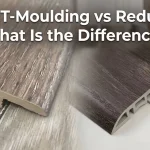
When comparing SPC T-moulding vs reducer, the main difference is the floor height and the type of transition required. T-moulding covers joints between floors at similar heights, while a reducer connects surfaces at different heights.
| Comparison | SPC T-Moulding | SPC Flooring Reducer |
|---|---|---|
| Main function | Covers a joint between similar-height floors | Creates a gradual transition between different floor heights |
| Profile shape | Typically T-shaped | Typically sloped or tapered |
| Floor levels | Approximately equal | Different heights |
| Common locations | Doorways, room connections, flooring divisions | SPC-to-tile, SPC-to-carpet, and other lower-floor transitions |
| Selection priority | Joint width, flooring thickness, expansion requirements | Height difference, slope dimensions, edge coverage |
| Fixing method | Depends on the product and installation system | Depends on the product and installation system |
The main selection rule is straightforward: choose T-moulding when the two flooring surfaces are approximately level and a suitable joint needs covering. Choose a reducer when the surfaces have a height difference that the profile is designed to accommodate.
Neither profile should be selected by appearance alone. The actual cross-section and technical specifications must match the installation conditions.
How to Choose the Right Transition Profile
Before ordering flooring accessories for a residential or commercial project, buyers should check four factors.
1. Measure the Finished Floor Heights
Measure both flooring surfaces after accounting for the flooring thickness, underlayment, adhesive, and other relevant layers. Do not rely only on the height of the unfinished subfloor.
If the surfaces are approximately level, T-moulding may be suitable. If one surface is lower, check whether a reducer can accommodate the measured difference.
2. Check the Joint Width and Profile Dimensions
The accessory must cover the joint without interfering with the flooring installation. Confirm the available joint width, profile height, overall width, and required edge coverage.
For larger projects, requesting product drawings or physical samples can help installers verify compatibility before bulk purchasing.
3. Confirm the Installation Method
T-moulding and reducers may use adhesive, tracks, or other fixing systems depending on the product design. YPRO lists glue and snap installation options for both its T-moulding and reducer products.
Confirm the fixing method, substrate suitability, and installation instructions before specifying the accessory. The profile should also accommodate any movement required by the flooring system.
4. Match the Accessory to the Project
Color and surface finish matter when the transition is visible. Distributors and contractors should check whether the accessory matches the SPC flooring collection and the adjacent material.
For projects involving several rooms or flooring types, reviewing the complete SPC flooring and skirting board system can help buyers plan compatible finishing components.
Frequently Asked Questions
Can T-Moulding and Reducers Be Used Interchangeably?
Generally, no. T-moulding is designed primarily for similar-height flooring surfaces, while reducers accommodate a specified height difference. Using the wrong profile can result in poor edge coverage or an unsuitable transition.
Can I Use a Reducer Between SPC Flooring and Tile?
Yes, provided the reducer is compatible with the measured height difference, profile dimensions, and installation conditions. Measure the finished surfaces before selecting the product.
What Should Importers Check Before Ordering in Bulk?
Importers should confirm dimensions, material, profile shape, fixing method, color, packaging, and order quantities. For project orders, samples and technical drawings can help verify product compatibility before production or shipment.
Conclusion
The difference between SPC T-moulding and a reducer comes down to the floor joint and the height relationship between adjacent surfaces. T-moulding is generally suitable for similar-height floors, while a reducer provides a gradual transition to a lower surface.
For flooring distributors, contractors, and project buyers, measuring finished floor heights and checking profile specifications before ordering can help prevent installation problems. Explore YPRO’s T-Moulding and SPC Flooring Reducer products to compare the available options for your next flooring project.