Choosing the best SPC flooring for your home is about more than selecting a beautiful color. Thickness, wear layer, core quality, installation system, and room usage all play important roles in determining how your floor performs over time.
Whether you’re renovating a living room, kitchen, bedroom, or bathroom, understanding these key factors will help you invest in flooring that combines durability, comfort, and long-lasting value.
This guide explains everything homeowners and distributors need to know before buying SPC flooring in 2026.
What Is SPC Flooring?
SPC (Stone Plastic Composite) flooring is a rigid core luxury vinyl flooring made from limestone powder, PVC resin, and stabilizers. Compared with traditional vinyl flooring, SPC flooring provides:
- 100% waterproof performance
- Excellent dimensional stability
- Scratch and dent resistance
- Easy click-lock installation
- Low maintenance
- Comfortable underfoot
- Suitable for residential and commercial use
Because of these advantages, SPC flooring has become one of the fastest-growing flooring materials worldwide.
Why More Homeowners Choose SPC Flooring
Modern homes demand flooring that is both attractive and practical.
SPC flooring offers several advantages:
- Waterproof for kitchens and bathrooms
- Resistant to daily wear and tear
- Easy to clean
- Pet-friendly
- Child-friendly
- Compatible with underfloor heating
- Realistic wood and stone finishes
- Lower maintenance than hardwood
For busy households, SPC flooring delivers the appearance of natural materials without the maintenance requirements.
Types of SPC Flooring
Different styles suit different interior designs.
Wood Grain SPC Flooring
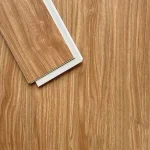
Wood-look SPC flooring remains the most popular option.
Popular finishes include:
- Oak
- Walnut
- Maple
- Ash
- Hickory
Ideal for:
- Living rooms
- Bedrooms
- Offices
- Hotels
Stone Pattern SPC Flooring
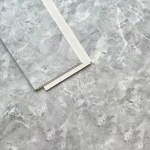
Stone-look SPC flooring creates a luxury appearance while remaining warmer and more comfortable than real stone.
Popular textures include:
- Marble
- Concrete
- Slate
- Travertine
Ideal for:
- Bathrooms
- Kitchens
- Commercial spaces
- Retail stores
Herringbone SPC Flooring
Herringbone flooring provides a premium decorative appearance and is increasingly popular in luxury residential projects.
Best for:
- Villas
- High-end apartments
- Boutique hotels
Choose the Right Color for Your Home
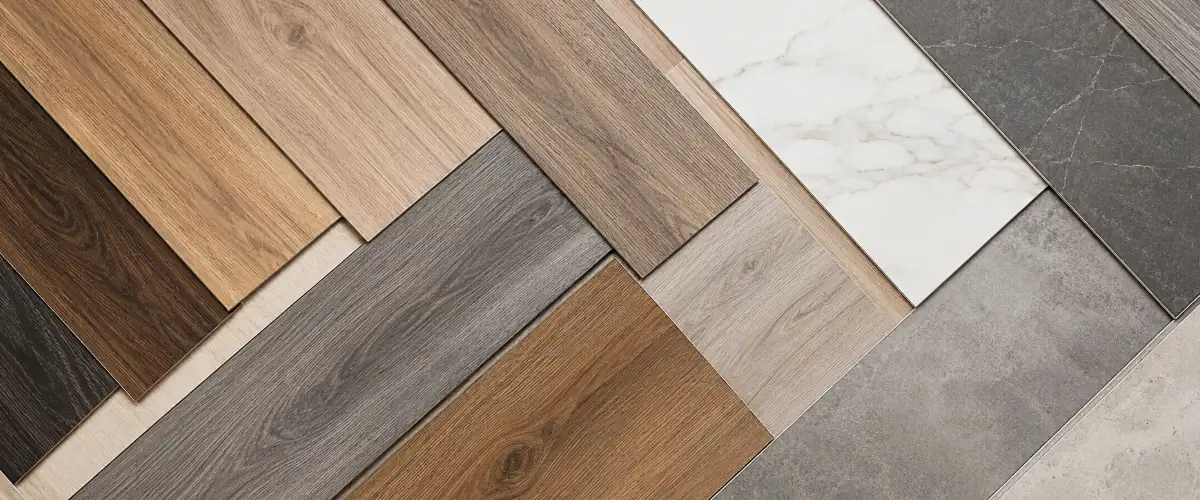
Color affects both the appearance and atmosphere of a room.
Light Colors
Examples:
- White Oak
- Natural Oak
- Maple
Advantages:
- Make rooms appear larger
- Bright and modern
- Hide dust better
Best for:
- Small apartments
- Scandinavian interiors
- Minimalist homes
Medium Colors
Examples:
- Honey Oak
- Natural Walnut
- Golden Oak
Advantages:
- Warm atmosphere
- Timeless appearance
- Suitable for almost every room
Dark Colors
Examples:
- Espresso
- Dark Walnut
- Charcoal
Advantages:
- Luxurious appearance
- Strong visual impact
Best for:
- Large living rooms
- Executive offices
- Luxury interiors
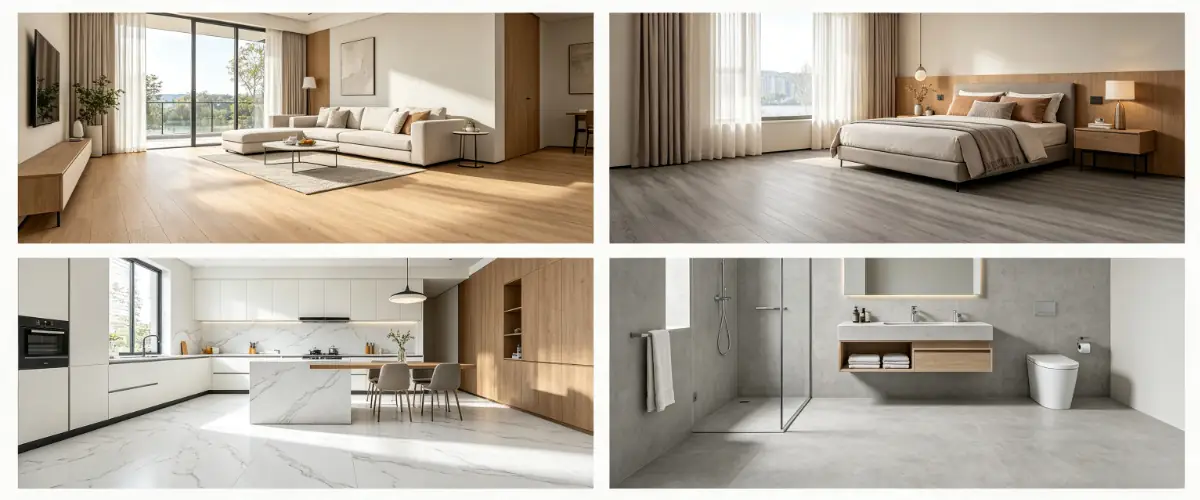
Which SPC Flooring Is Best for Each Room?
Living Room
Recommended:
- 5–6 mm thickness
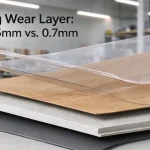
- 0.5 mm wear layer
- Wood grain finish
Bedroom
Recommended:
- 4–5 mm thickness
- Warm wood colors
- IXPE underlayment for comfort
Kitchen
Recommended:
- Waterproof SPC flooring
- Stone texture
- Scratch-resistant wear layer
Bathroom
Recommended:
- 100% waterproof SPC flooring
- Anti-slip surface
- Mold-resistant design
Home Office
Recommended:
- Natural oak finish
- Quiet walking surface
- Durable wear layer
Should You Choose Attached Underlayment?
Many premium SPC flooring products include IXPE underlayment.
Benefits include:
- Better sound insulation
- Increased comfort
- Easier installation
- Improved thermal insulation
- Reduced walking noise
For apartments and multi-story homes, attached underlayment is highly recommended.
Important Features to Look For
Before purchasing SPC flooring, check whether it offers:
- Waterproof core
- UV coating
- Scratch resistance
- Click-lock installation
- Formaldehyde-free materials
- Anti-slip surface
- Wear-resistant coating
- Stable locking system
- Low VOC emissions
These features ensure long-term performance and healthier indoor air quality.
Common Mistakes When Buying SPC Flooring
Avoid these common mistakes:
Buying Based Only on Price
The cheapest flooring often has thinner wear layers and lower-quality locking systems.
Ignoring Wear Layer
A thicker wear layer is more important than overall thickness for long-term durability.
Choosing the Wrong Color
Always consider room size, lighting, and furniture before selecting flooring.
Forgetting Accessories
Matching accessories complete the installation.
You’ll typically need:
- SPC Skirting Boards
- T-Moulding
- Reducer
- L-Moulding
Hiring Inexperienced Installers
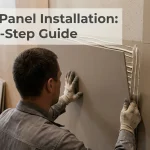
Proper installation is essential to maximize the flooring’s lifespan.
Buying Checklist
Before ordering SPC flooring, ask yourself:
✔ What room will it be installed in?
✔ How much foot traffic does the room receive?
✔ What thickness is appropriate?
✔ Which wear layer is required?
✔ What color complements the interior?
✔ Does it include IXPE underlayment?
✔ Is the product certified?
✔ Does it come with matching accessories?
Why Buy Directly from an SPC Flooring Manufacturer?
Purchasing directly from an experienced manufacturer offers several advantages:
- Better pricing
- Stable product quality
- OEM & private label services
- Large production capacity
- Professional export experience
- Faster delivery
- Custom colors and designs
- Comprehensive quality control
For distributors and project buyers, working with a reliable manufacturer can also ensure consistent supply and technical support.
Frequently Asked Questions
What thickness of SPC flooring is best?
For most homes, 5 mm SPC flooring with a 0.5 mm wear layer offers an excellent balance of comfort, durability, and value.
Is thicker SPC flooring always better?
Not necessarily. While a thicker core can improve comfort and stability, the wear layer is the primary factor affecting resistance to scratches and daily wear.
Can SPC flooring be used in bathrooms?
Yes. SPC flooring is 100% waterproof, making it an excellent choice for bathrooms, kitchens, laundry rooms, and other moisture-prone areas.
How long does SPC flooring last?
High-quality SPC flooring typically lasts 15–25 years in residential settings and 10–20 years in commercial environments, depending on foot traffic, wear layer thickness, and maintenance.
Is SPC flooring suitable for homes with pets?
Absolutely. Its durable wear layer resists scratches, stains, and moisture, making it ideal for households with pets.
Conclusion
Choosing the best SPC flooring means balancing style, performance, and long-term value. Consider the room where the flooring will be installed, select the appropriate thickness and wear layer, choose a finish that complements your interior design, and ensure the product meets quality and safety standards.
Whether you’re renovating a single room or planning a large residential or commercial project, investing in high-quality SPC flooring from a trusted manufacturer will provide lasting durability, easy maintenance, and timeless appeal for years to come.