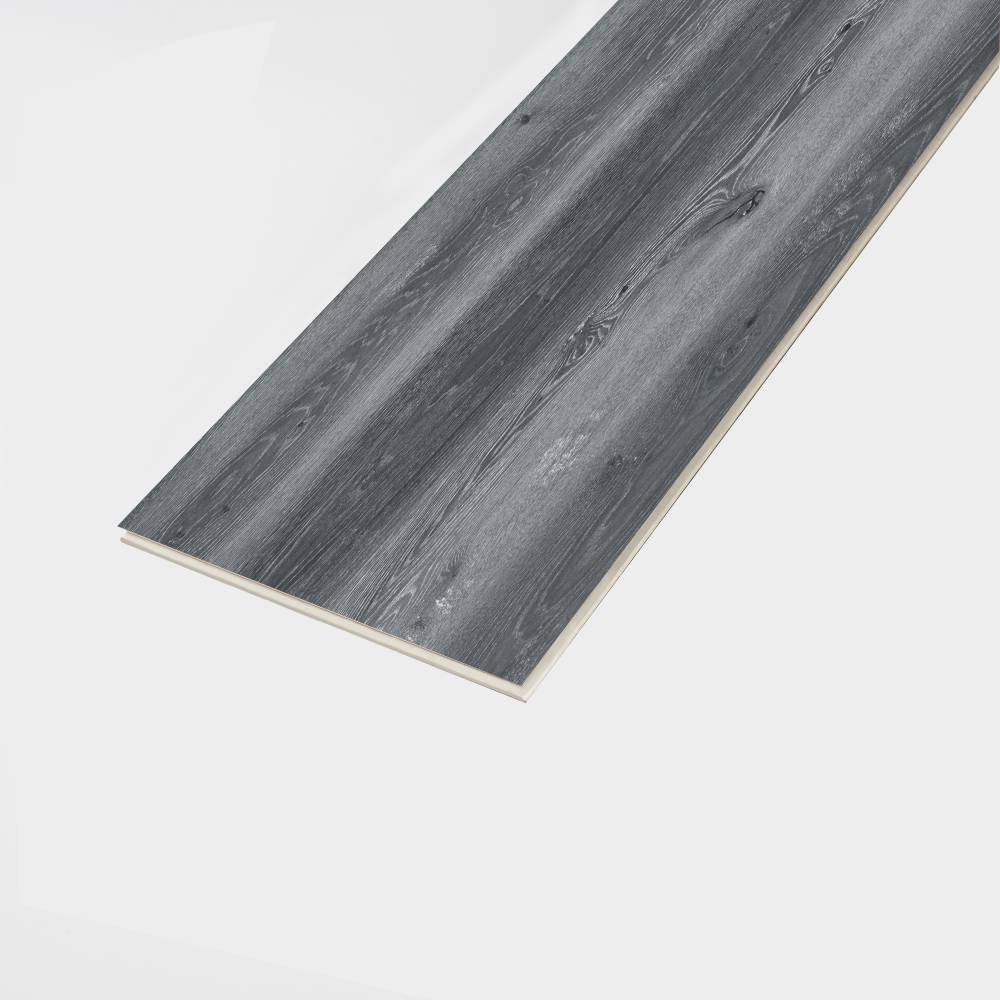
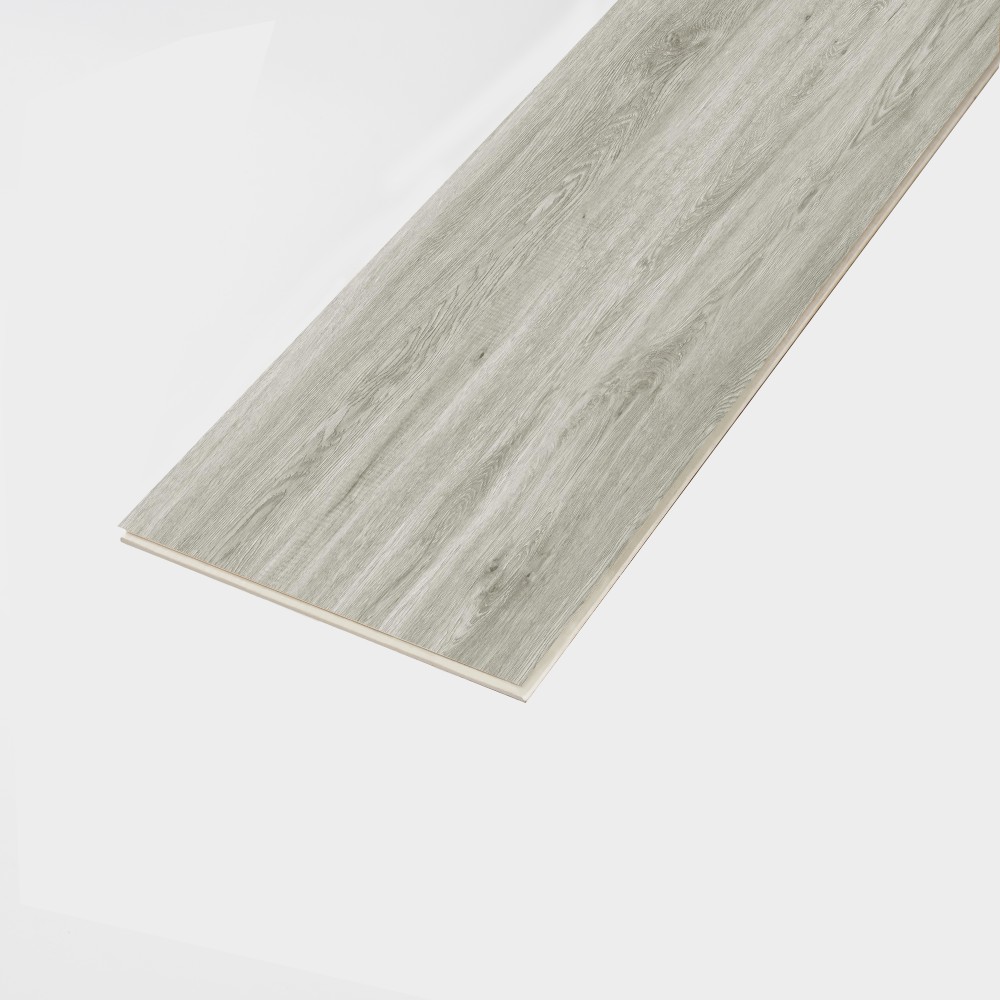
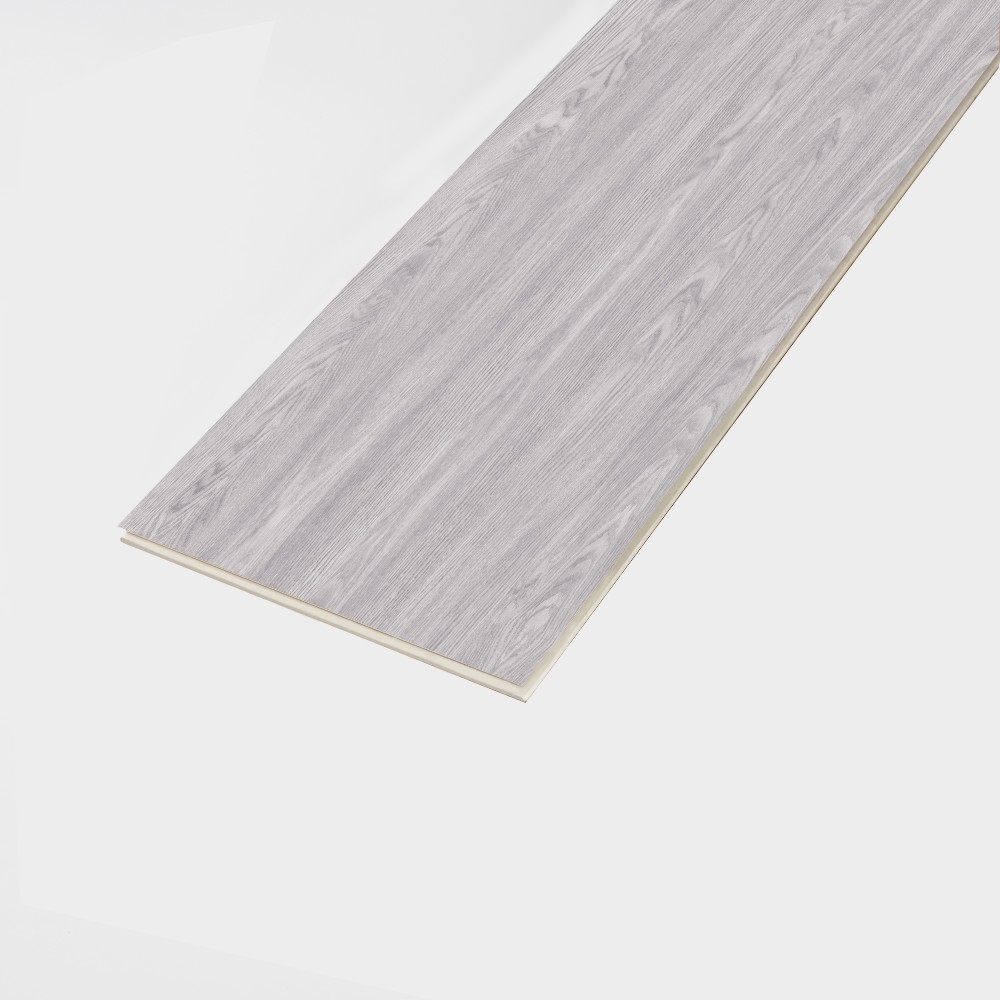
SPC Flooring

spc-flooring-display SPC-flooring-product-img-4 SPC-flooring-product-img-5 SPC-flooring-product-img-6 SPC-flooring-product-img-7 SPC-flooring-product-img-8 SPC-flooring-product-img-9 SPC-flooring-product-img-10 SPC-flooring-product-img-11 SPC-flooring-product-img-1 SPC-flooring-product-img-2 SPC-flooring-product-img-3

SPC Flooring

SPC Flooring (Stone Plastic Composite Flooring) is a durable and modern rigid core flooring solution designed for residential and commercial spaces. It combines stone powder and PVC to deliver outstanding stability, waterproof performance, and long-lasting beauty.

Advantages:

  • 100% waterproof, ideal for kitchens, bathrooms, and basements
  • High-density rigid core for excellent impact resistance
  • Stable structure with minimal expansion or contraction
  • Scratch-resistant surface, suitable for high-traffic areas
  • Available in a wide range of wood and stone visual designs
Category

What is SPC Flooring?

SPC Flooring (Stone Plastic Composite Flooring) is a high-performance rigid core vinyl flooring designed for modern residential and commercial spaces. Specifically, manufacturers combine natural limestone powder, polyvinyl chloride (PVC), and stabilizers to create an ultra-stable core structure. This structure delivers outstanding durability and reliable 100% waterproof performance.

As one of the most popular flooring solutions in the global market, SPC flooring fits perfectly in homes, offices, hotels, retail stores, and public buildings. This is all thanks to its exceptional strength, high stability, and realistic, beautiful decorative appearance.
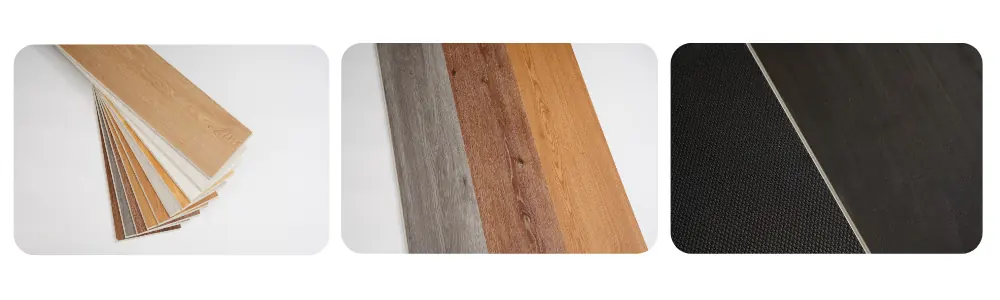
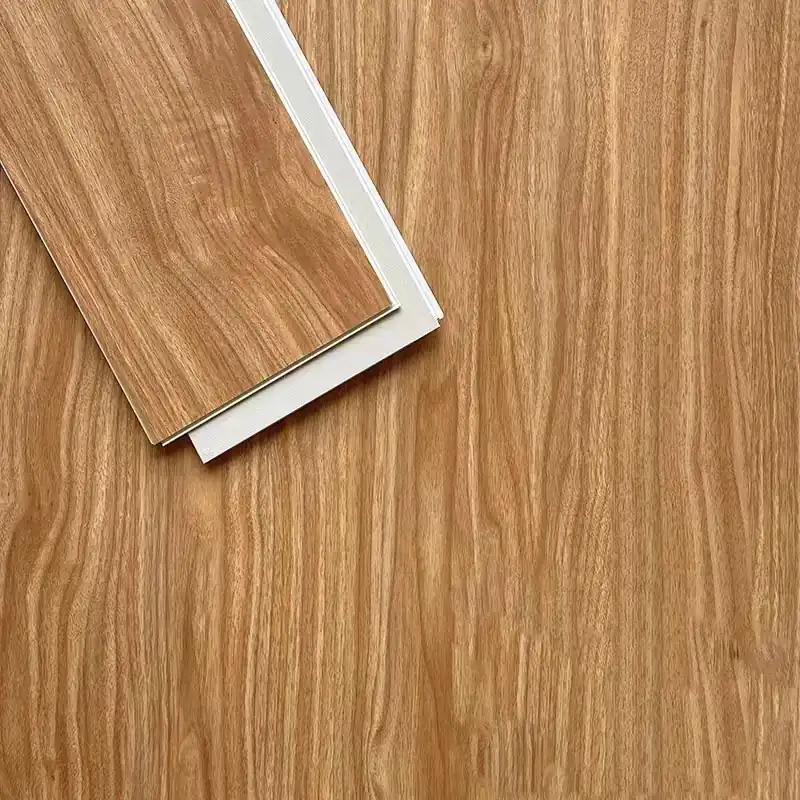
SPC Flooring surface detail

Product Specifications

Item Parameter
Material Stone Plastic Composite (SPC)
Thickness 4mm / 5mm / 6mm / 8mm
Wear Layer 0.2mm, 0.3mm, 0.5mm, 0.7mm, 1.0mm
Size 6”×48” (150×1220mm)
7”×48” (182×1220mm)
9”×48” (230×1220mm)
9”×60” (230×1525mm)
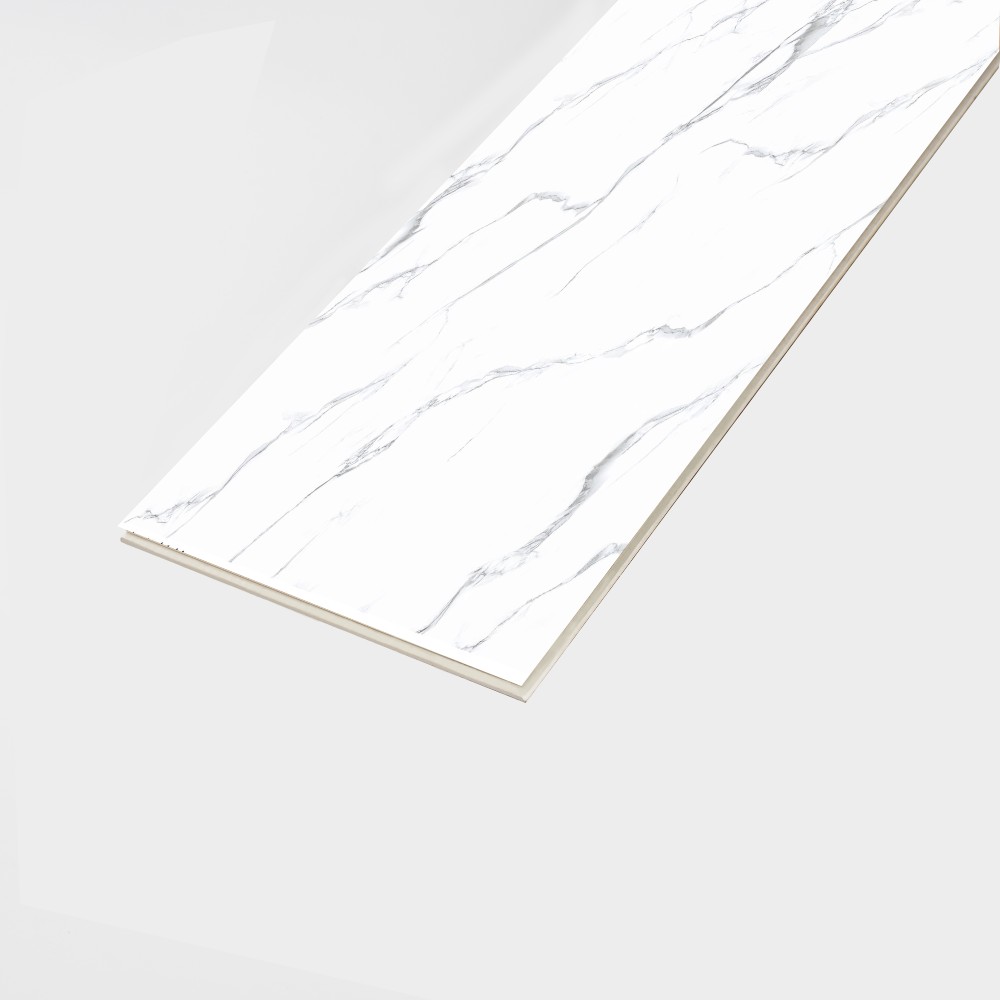
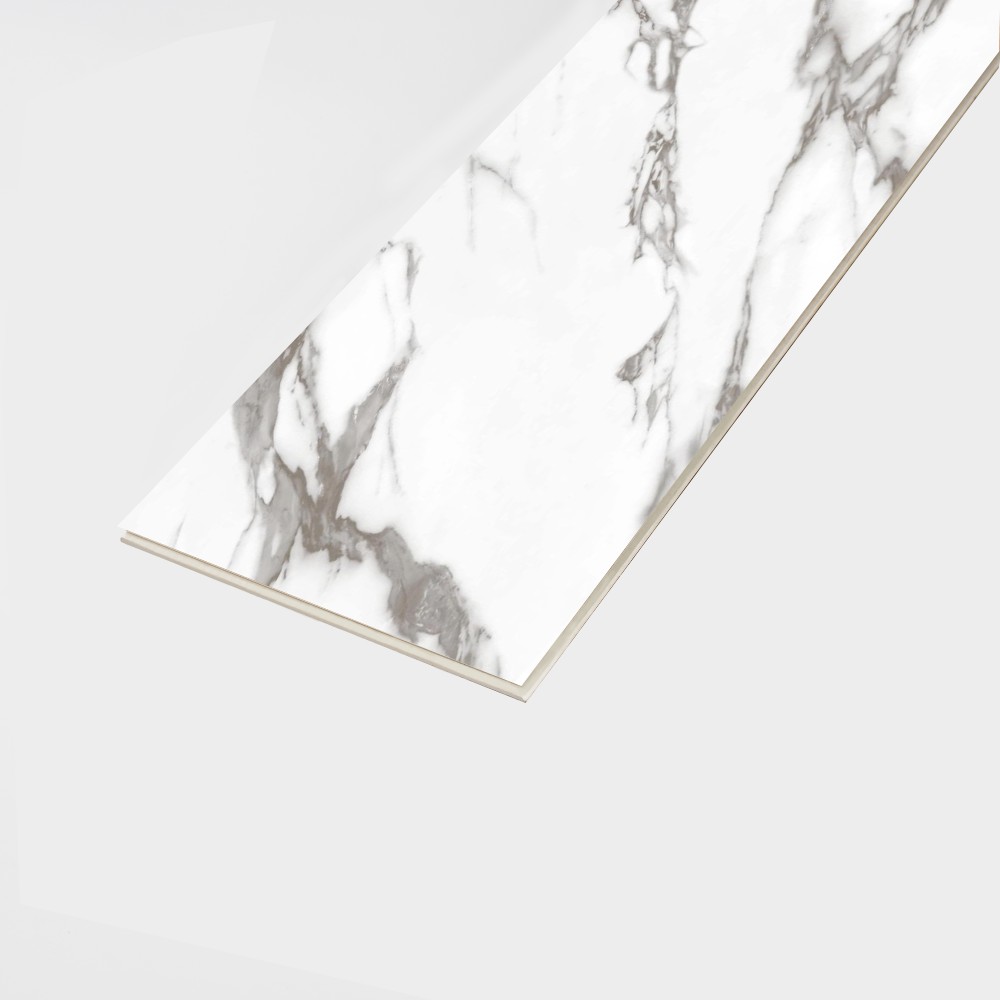
Surface Texture Wood Grain / Marble / Carpet
Installation Click Lock System
Application Home, Office, Shop, Hotel, School

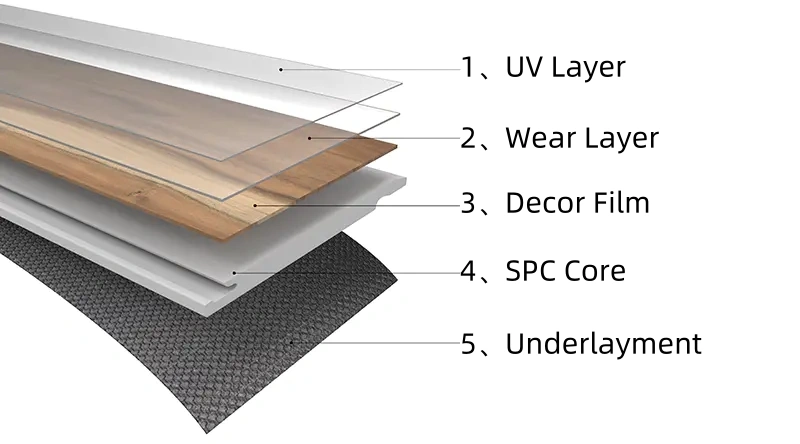
The Structure Of SPC Flooring

  1. UV layer (UV coating): The top UV coating effectively protects the surface from scratches, stains, and fading. Additionally, it greatly improves wear resistance and simplifies daily cleaning, which helps the floor keep its original look for years.
  2. Wear layer (Wear layer): The wear layer delivers strong protection against abrasion, impact, and heavy foot traffic. Notably, a thicker wear layer brings better durability and effectively extends the lifespan of the flooring.
  3. Decorative Film: This layer creates the realistic appearance of SPC flooring, such as wood grain, stone, or marble textures. Furthermore, high-definition printing technology produces natural and stylish designs that match various interior styles.
  4. SPC Core: The SPC core acts as the main structural layer made from limestone powder and PVC. It provides excellent rigidity, 100% waterproof performance, and high dimensional stability, so it prevents expansion or deformation effectively.
  5. Underlayment: The underlayment is an optional backing layer that greatly improves comfort underfoot, reduces noise, and enhances insulation. Moreover, it helps smooth minor subfloor imperfections and makes installation much easier.
SPC flooring structure layers

Key Features

100% Waterproof

It works perfectly for bathrooms, kitchens, basements, and other high-humidity areas.

Anti-Scratch & Wear Resistant

The high-density wear layer guards against daily scratches, pets, and heavy foot traffic.

Fire Retardant

It offers excellent fireproof performance, so it is much safer for home and commercial use.

Easy Installation

The click-lock system supports fast DIY installation, and you do not need any glue at all.

Eco-Friendly

It contains zero formaldehyde and is completely non-toxic, making it safe for your family and pets.

Sound Insulation

The soft underlayment effectively reduces noise, creating quieter and more comfortable living spaces.

Benefits of SPC Flooring

Compared with traditional flooring materials, this type of flooring offers many clear advantages:

  • More waterproof than laminate flooring
  • More stable than natural wood flooring
  • More cost-effective than solid hardwood
  • Easier maintenance and cleaning
  • Suitable for both residential and commercial use

Overall, it serves as an ideal solution for areas that require strong moisture resistance and long-lasting durability.

Applications of SPC Flooring

Today, SPC flooring appears in a wide range of environments, including the following:

  • Residential houses and apartments
  • Hotels and resorts
  • Office buildings and corporate spaces
  • Retail shops and shopping malls
  • Schools, hospitals, and public facilities

Thanks to its great versatility, it fits both heavy-traffic areas and decorative interior spaces perfectly.

Installation System

This type of flooring uses an advanced click-lock installation system, which allows quick and efficient installation without glue or nails. You can install it over most existing subfloors as long as the surface stays clean, dry, and level.

As a result, this system greatly reduces installation time, labor cost, and your overall project budget.
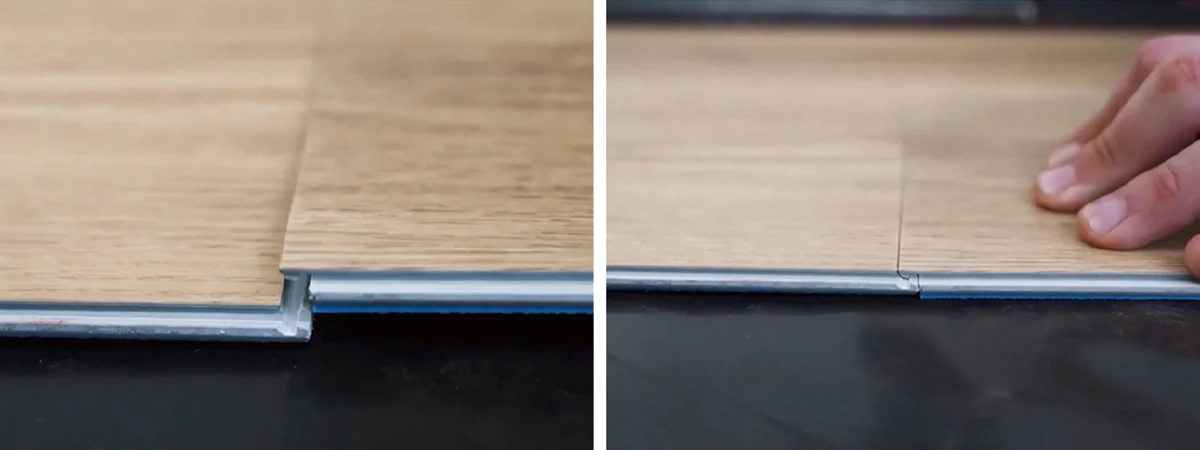
 

SPC flooring click lock system

Why Choose Our SPC Flooring?

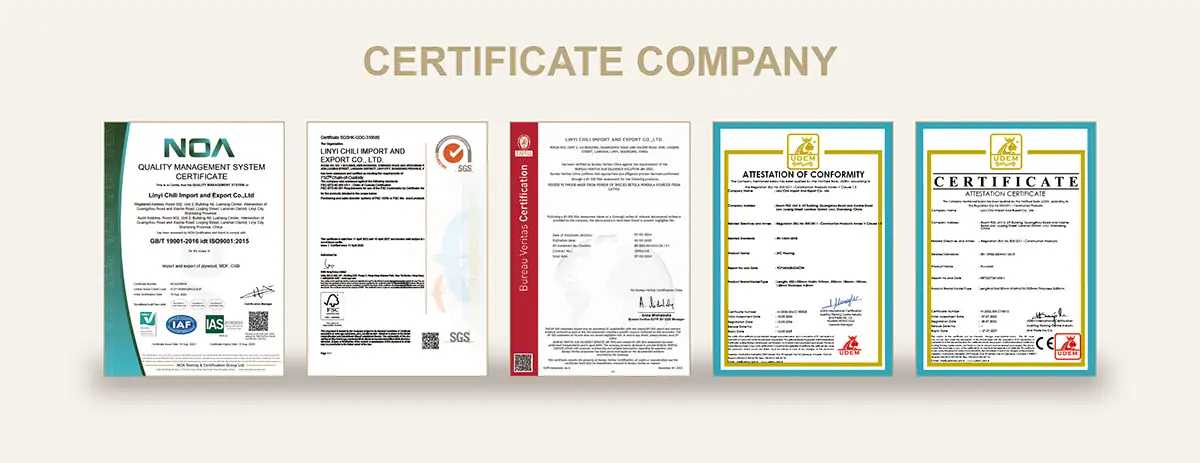
We provide high-quality SPC flooring with strict quality control and stable production capacity. Our products fully meet international standards, and we also support customized solutions to fit different market needs.

In addition, we focus on durability, design realism, and long-term performance to ensure strong competitiveness in global flooring projects.
 

Frequently Asked Questions (FAQ)

How long does SPC flooring last?

With correct installation and regular maintenance, the flooring typically lasts 15–20 years in residential use. For high-traffic commercial spaces, it usually serves you well for 10–15 years.

Can SPC flooring be installed over concrete?

Yes, it works extremely well on concrete subfloors. Just ensure the surface is level, clean, and dry before installation to achieve the best results.

Is SPC flooring easy to clean and maintain?

Absolutely. Regular sweeping and mopping with mild detergent are enough for daily care. You only need to avoid abrasive cleaners or excessive water to protect the surface well.

Can SPC flooring be used with underfloor heating?

Yes, this type of flooring works well with underfloor heating systems (up to 27°C). It provides efficient heat transfer and keeps excellent dimensional stability at the same time.

  1. TOOLS NEEDED
    • Double-sided mallet
    • Tapping block
    • Utility knife
    • Vinyl plank cutter (optional)
    • Knee pads
    • 3mm spacers
    • A pencil
    • Measuring tape
    • A level
    • Carpenter’s square
  2. PLANKS NEEDED TO COMPLETE YOUR PROJECT Measure the length and width of your room. If the room has alcoves or offsets, measure these separately. This will give you the square footage of the room. Purchase a minimum of 10% extra to cover mistakes, trimming and for future needs or replacement. Most installations require about 10% overage. However, this can vary depending upon the room size and layout. Do not install over Carpet or Carpet Pad. This product is not suitable for any outside use, sunrooms, solariums, or saunas. Exposure to long-term direct sunlight can cause damage to your floor.
  3. PRIOR TO INSTALLATION CHECK THE PLANKS BEFORE INSTALLING THEM TO BE SURE OF APPEARANCE Colour, shade or texture variations between samples, print colour photography & the actual material are not warranted. Mix & install planks from several different cartons to minimize shade variations. Planks should always be inspected for any dye lot variations. We will not warrant that different dye lots will match each other. We maintain strict quality control at the factory, but it is a good idea to check each plank for blemishes or flaws.ACCLIMATE Flooring BEFORE INSTALLATION You must place vinyl horizontally in the room where it will be installed for 48 hours prior to installation. Maintaining an optimum temperature between 16°C to 27°C and a humidity range of 30-50% is recommended during installation and life of floor. Do not remove the planks from the case during this acclimation period
  4. SUBFLOOR PREPARATION The subfloorsurface must be smooth, flat dry, clean, and solid. Carpetstaples or adhesive residue must be removed to ensure proper installation. Subfloorsshould be flat within a tolerance of 4.8mm per 3m. Any unevenness over 4.8mm must be sanded down or filled with a floor leveller. Voids or humpsin the subfloor will prevent vinyl from locking properly. Subfloors must be carefully checked for moisture problems. Any moisture problems need to be addressed prior to installation. New concrete floors need lo cure for a minimum of 60 days.
  5. MOISTURE & TEMPERATURE It is the contractor’s as well as the installer’s responsibility to test all concrete substrates, both new and old, for moisture content to determine if it is sufficiently dry to install flooring. – Maximum level per CaC1 test method is 2.27kg/453.6kg in 24 hours. – Maximum level for ASTM2170 i-SITU Relative humidity test method is 85%. – Relative humidity levels should never exceed 85%. Moisture will not damage the flooring, but it can get in walls & structure of the home and create an unhealthy environment. NOTE: SPC Flooring does not warrant or guarantee unsatisfactory installations due to the presence of excessive alkali, moisture, or hydrostatic pressure in subfloors. SPC floors have good thermal resistance characteristics; however, they are not designed for prolonged exposure to high temperatures.

    Here are a few points to consider:

    1. Temperature Limits: Most SPC flooring manufacturers recommend avoiding exposure to temperatures above 27-30 degrees Celsius, as this can lead to deformation or damage to the material.
    2. Installation Issues: When installing SPC flooring, it’srecommended to adhere to the temperature guidelinesto avoid problemsrelated to expansion and contraction of the material.
  6. OVER HYDRONIC RADIANT HEAT Flooring can be Installed over Hydronic radiant heat if the following guidelines are followed: – Complete system must be operational for a minimum of one week.- System should be turned off 72 hours prior to installation of Aquarius flooring and remain off 72 hours after installation is complete. – Turn system back on to its normal room temperature setting.- The subfloor surface must never exceed 30°C throughout the life of the floor. – Flooring and adhesive should never come in direct contact with heating system.
  7. UNDERLAYMENT The Flooring (If does not have attached pad) can be installed over approved dense sound underlayment. Must tape seams with waterproof duct tape. Do not use any additional underlayment if Flooring already has attached underlayment.
  8. INSTALLATION
    1. Start in a Corner: Begin in a corner of the room, placing spacers between the wall and the first plank to maintain an expansion gap.
    2. Laying the First Plank: Carefully align the first plank and gently tap it into place using a rubber mallet and tapping block.
    3. Continue Adding Planks: Install the next plank by angling it slightly and snapping it into the groove of the first plank. Continue this process, ensuring each plank is firmly in place.
    4. Cutting Planks: Measure and mark where cuts are needed. Use a utility knife to score the plank and then snap it along the line. A fine-tooth saw can also be used for complex cuts.
    5. Stagger the Seams: Make sure to stagger the seams by at least 6 inches between adjacent rows for a more natural and stable floor.
    6. Fitting Around Obstacles: When reaching obstacles like door frames or pipes, measure and cut the planks to fit. Always leave a small expansion gap around these areas.
    7. Final Row: For the last row, measure the gap and cut the planks to fit. It might be necessary to use a pull bar to snugly fit the last row of planks.
    8. Finishing Touches: Once all planks are laid, remove the spacers. You can add baseboards or quarter-round molding to cover the expansion gaps and enhance the room’s appearance.
  9. BASIC CLEANING Once all traces of adhesive have been removed, the floor should be dry vacuumed to remove all dust and loose debris. Damp mop as needed using clean water and diluted Ph. Neutral cleaner in cool water or ready to use spray cleaner that will not leave a residue. Do not use harsh cleaners or chemicals on floor. Do not use abrasive scrubbing tools, detergents, caustic cleaners, abrasive cleaners or “mop and shine” products. After 5-10 minutes, all dirt and residue of the cleaning agent should be removed; the floor should be rinsed with a damp mop and allowed to dry. Overtime floors may begin to lose their lustre and may require an application of floor polish. When and where you apply the floor polish will depend on the traffic the floor receives.

Related Products

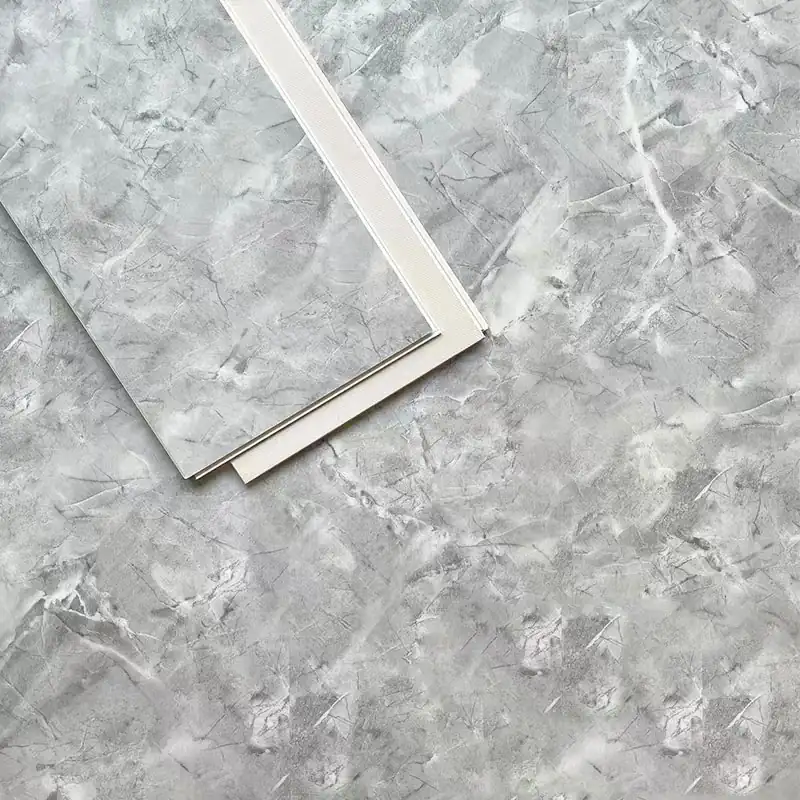
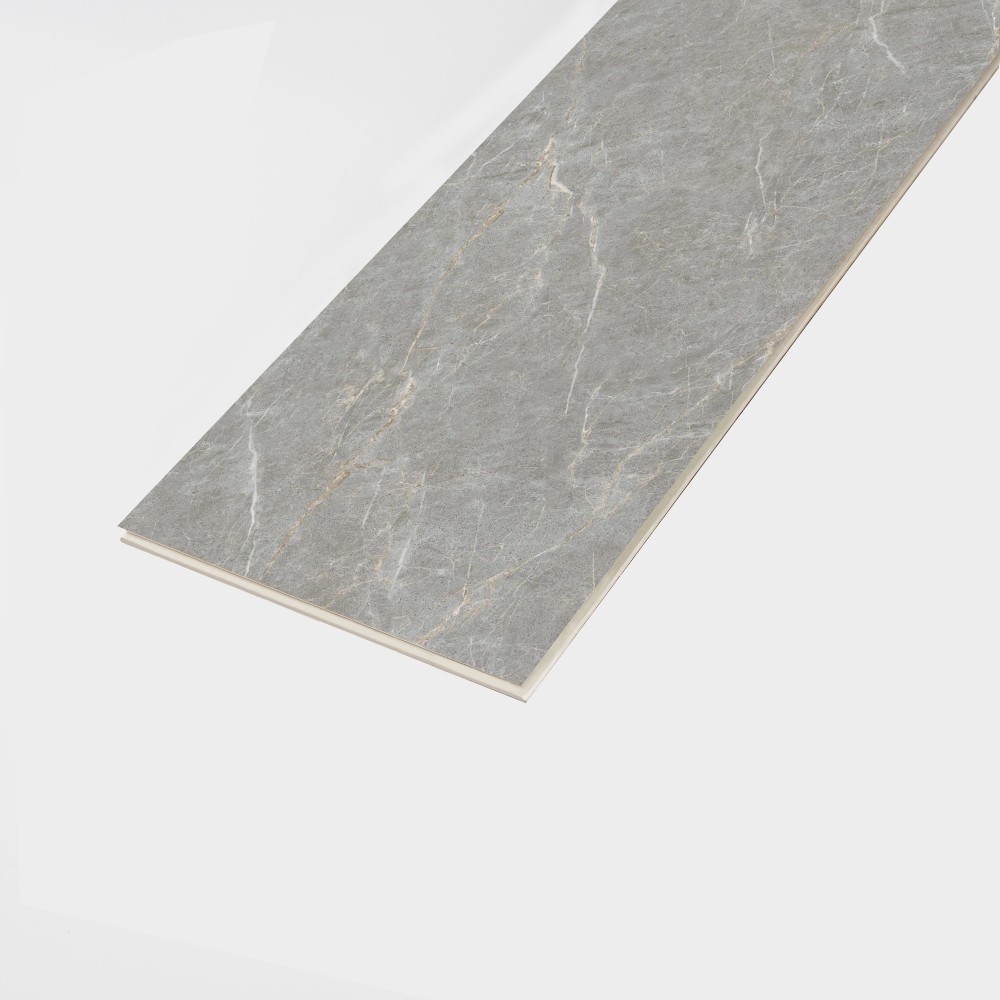
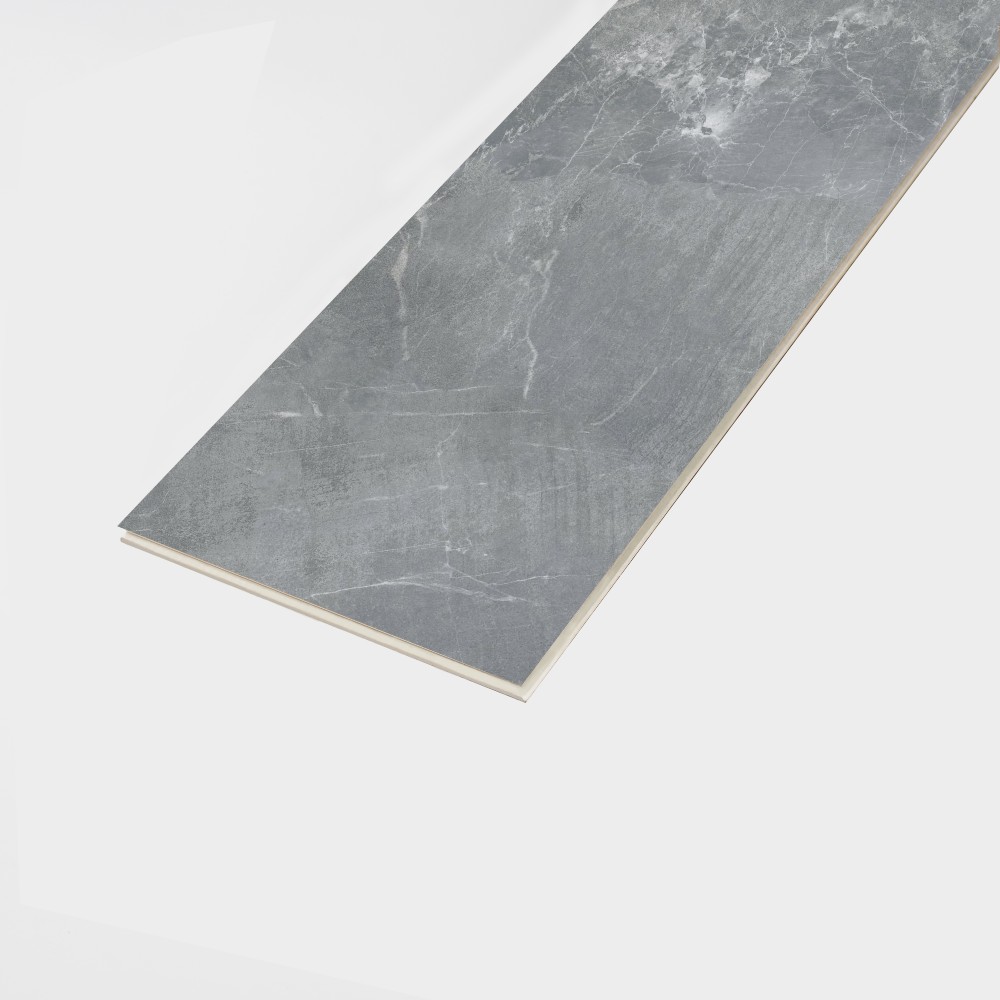
Stone Pattern SPC Flooring - Close-up of Marble Texture
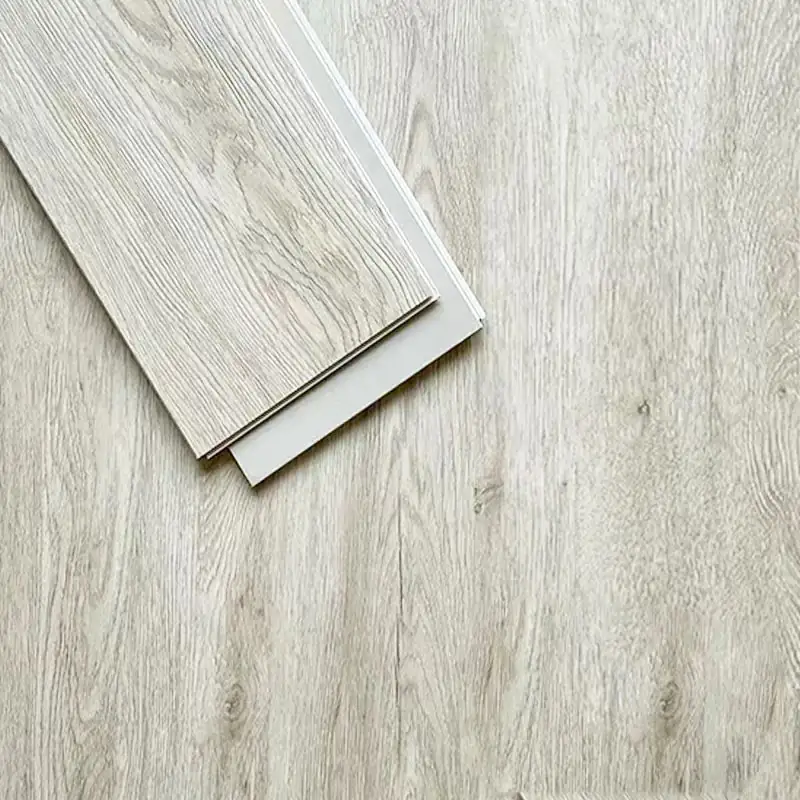
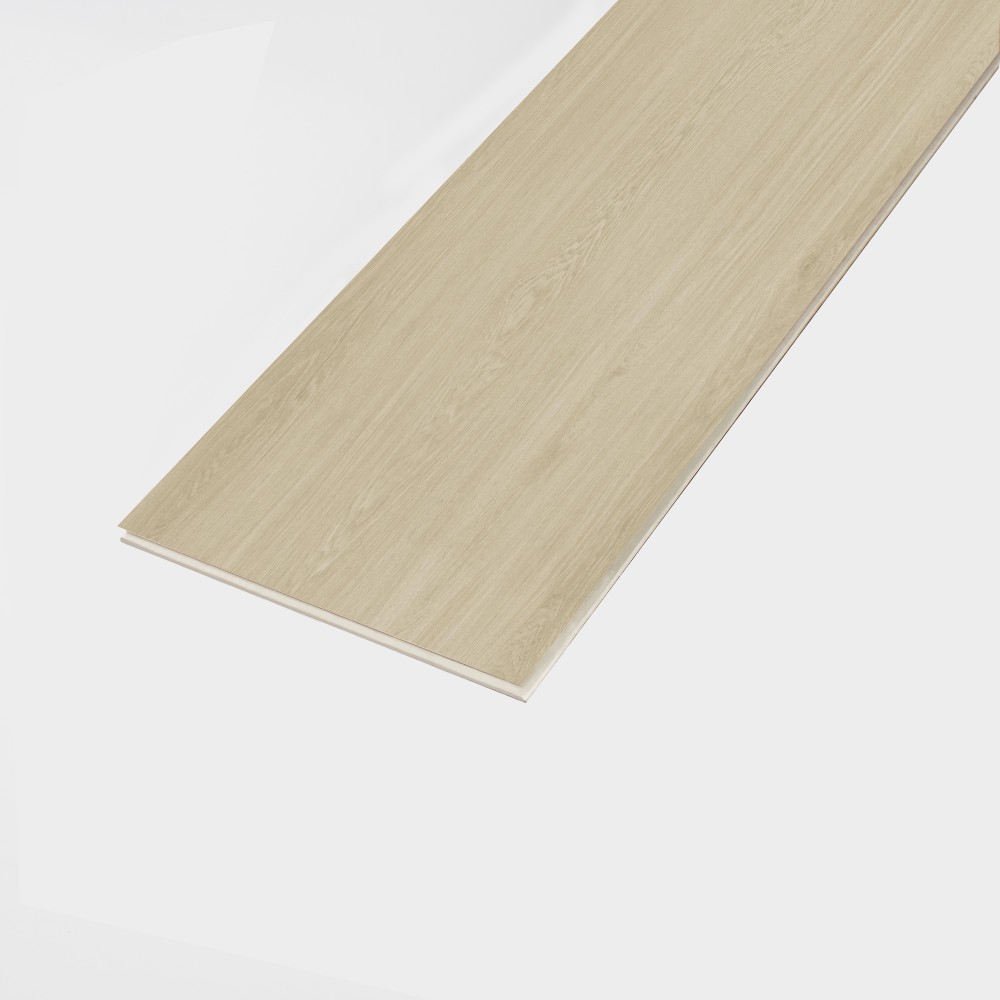
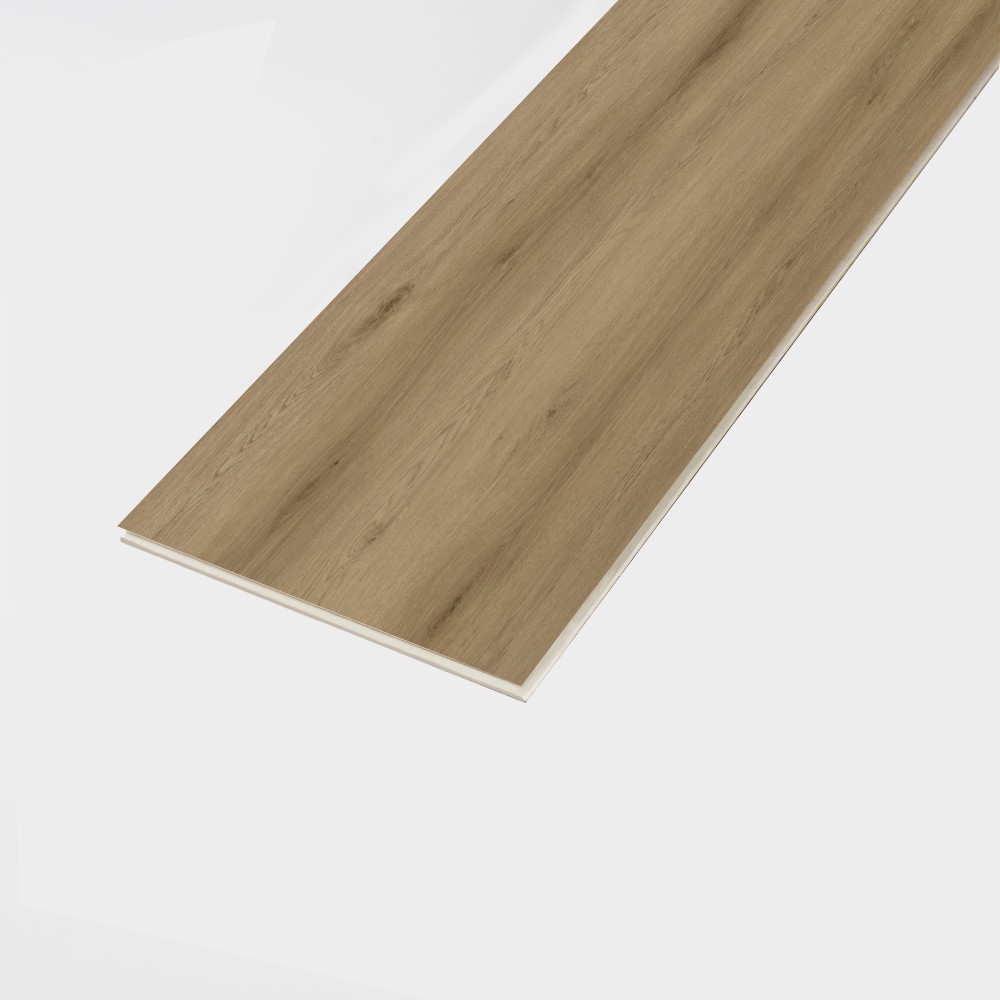
Wood grain SPC flooring natural oak texture surface