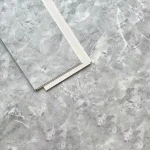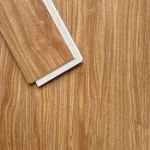
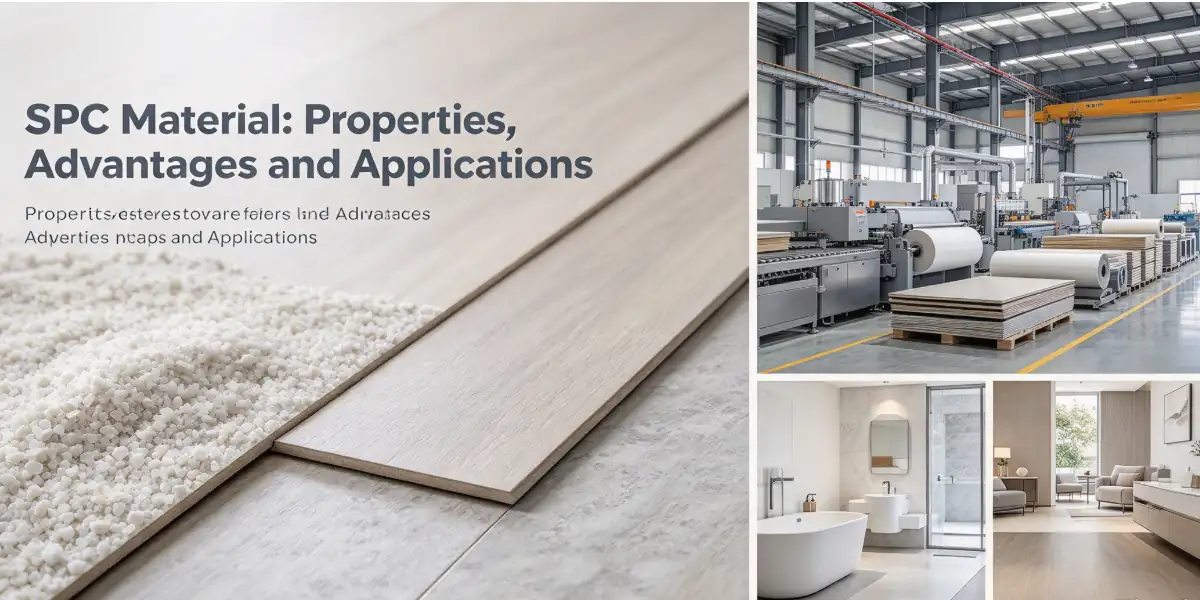
SPC material is widely used in modern interior products, particularly rigid-core flooring and wall panels. Known for its rigid structure, water resistance and dimensional stability, SPC combines mineral-based fillers with polymer materials to create a durable composite material. Understanding the properties of SPC material can help buyers evaluate its suitability for residential, commercial and other interior applications.
What Is SPC Material?
SPC stands for Stone Plastic Composite, although it is also commonly described as Stone Polymer Composite. The material typically uses calcium carbonate as a major mineral filler combined with PVC and stabilizing additives. These components are processed into a dense and rigid core.
Unlike flexible vinyl materials, SPC material has a relatively rigid structure. This characteristic contributes to its dimensional stability and provides a solid foundation for products such as SPC flooring and SPC wall panels.
A typical SPC flooring structure may include a protective wear layer, decorative film, rigid SPC core and optional backing layer. The specific construction varies according to the product specification and intended application.
For a broader introduction to SPC flooring construction, buyers can also refer to our guide on What Is SPC Flooring?.
What Are the Key Properties of SPC Material?
Several properties make SPC material suitable for interior applications.
Water Resistance
The dense SPC core has strong resistance to water and moisture. This makes SPC-based products suitable for areas where occasional spills, humidity or routine cleaning are expected.
For this reason, SPC flooring and wall panels are commonly considered for kitchens, bathrooms, commercial interiors and other moisture-prone spaces. However, overall moisture performance still depends on installation quality, joints and the surrounding building conditions.
Dimensional Stability
Dimensional stability is another important property of SPC material. Its rigid mineral-polymer structure helps reduce excessive movement caused by normal temperature and environmental changes.
This can be particularly useful in commercial and residential projects where consistent flooring performance is required across larger installation areas.
Rigidity and Structural Strength
The mineral-filled core gives SPC material a firm and rigid structure. Compared with flexible vinyl products, rigid-core SPC provides a more stable surface underfoot and can help the finished flooring maintain its form during normal use.
The actual performance depends on the formulation, density, thickness and construction of the finished product.
Wear and Impact Resistance
SPC material itself provides a rigid foundation, while the surface construction of SPC flooring contributes to resistance against everyday wear.
For flooring applications, the wear layer is especially important. YPRO offers SPC flooring with different wear-layer options, allowing buyers to select specifications according to expected traffic and project requirements.
Learn more about SPC flooring thickness and specifications before selecting a product for a specific project.
What Are the Advantages of SPC Material?
The properties of SPC material translate into several practical advantages.
1. Suitable for Moisture-Prone Areas
Its water-resistant core makes SPC suitable for applications where moisture and frequent cleaning are concerns.
2. Stable Rigid Structure
The rigid core provides dimensional stability and a solid structure, which can be valuable for both residential and commercial interiors.
3. Easy Maintenance
SPC-based surfaces are generally easy to clean and maintain. Routine sweeping, vacuuming and damp mopping can help keep suitable flooring surfaces in good condition.
4. Flexible Design Options
SPC products can use decorative films to reproduce the appearance of wood, stone, marble and other surface designs. This gives manufacturers flexibility when developing products for different interior styles.
5. Suitable for Different Applications
The combination of moisture resistance, rigidity, durability and design flexibility allows SPC material to be used across a range of interior products.
Where Is SPC Material Used?
SPC material is mainly used in interior finishing products.
SPC Flooring
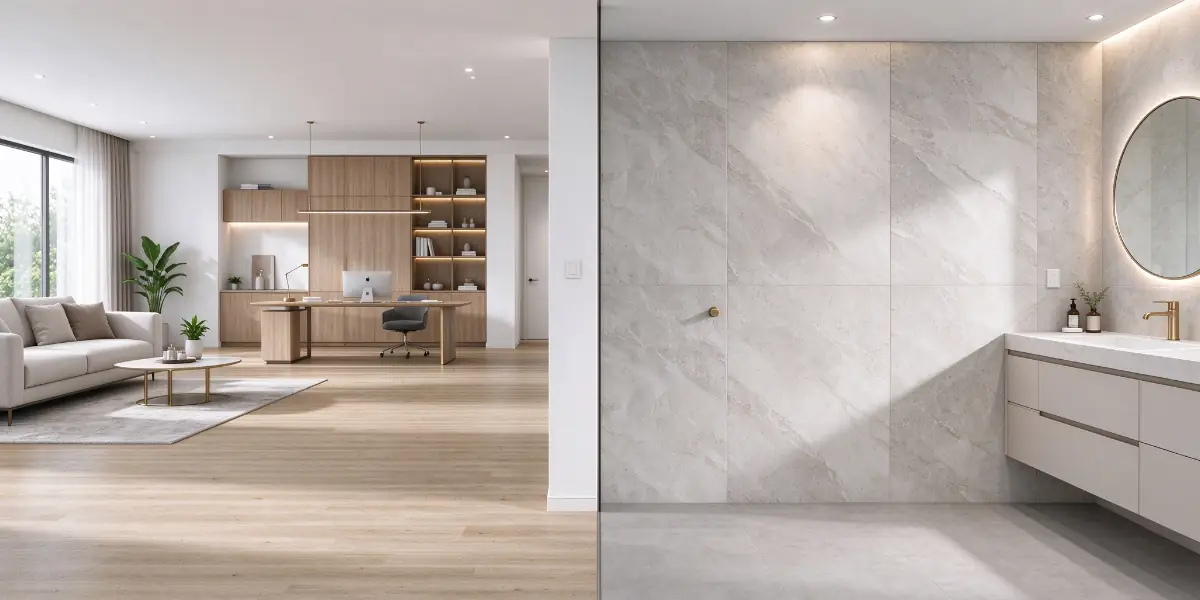
SPC flooring is one of the most common applications. It can be used in apartments, offices, hotels, retail spaces and other residential or commercial interiors.
Different thicknesses and wear-layer specifications allow flooring manufacturers to develop products for different traffic levels and project requirements.
SPC Wall Panels
SPC wall panels use the material’s moisture resistance and easy-maintenance characteristics for interior wall applications. They can be considered for bathrooms, kitchens and other spaces where practical wall finishes are required.
For bathroom applications, see our guide to SPC wall panels for bathrooms.
What Should Buyers Check When Selecting SPC Material?
Not all SPC products have the same construction or performance. B2B buyers should evaluate the complete specification rather than focusing only on the term “SPC.”
Important factors include:
| Factor | What to Check |
|---|---|
| Thickness | Overall product thickness and construction |
| Wear Layer | Suitable protection for the expected traffic level |
| SPC Core | Rigidity, density and structural consistency |
| Surface | Texture, finish and decorative design |
| Size | Plank or panel dimensions for the project |
| Installation | Click-lock or other installation system |
| Application | Residential, commercial or specialized use |
Product specifications should always be matched to the intended application and installation conditions.
SPC Material vs. Other Materials
SPC material should not automatically be considered interchangeable with every other flooring material. WPC, LVP, laminate and engineered wood have different structures and performance characteristics.
For example, SPC generally emphasizes a rigid mineral-polymer core, while WPC uses a different core construction and can provide a different balance of rigidity and underfoot comfort. Buyers should therefore compare the complete product structure rather than choosing based on material names alone.
For a detailed comparison, see our guide to SPC Flooring vs. WPC Flooring.
Conclusion
SPC material combines mineral fillers and polymer components to create a rigid composite structure with useful properties for modern interior products. Water resistance, dimensional stability, rigidity, easy maintenance and design flexibility are among its key advantages.
For B2B buyers, however, the material name is only one part of the selection process. Thickness, wear layer, core construction, surface finish, dimensions and intended application should all be considered when choosing SPC products.
YPRO provides SPC flooring and wall panel solutions with different specifications and designs for residential and commercial applications. Buyers can compare product structures and specifications to find a suitable solution for their projects.