Introduction
When choosing wall coverings for bathrooms, kitchens, and other high-moisture areas, water resistance is one of the most important factors to consider. Waterproof SPC wall panels have become a popular solution for modern interior decoration because they combine excellent moisture resistance, durability, easy maintenance, and attractive designs.
Made from a stone plastic composite (SPC) core with multiple protective layers, waterproof SPC wall panels are designed to withstand humid environments without swelling, warping, or losing structural stability. Compared with traditional wall materials such as MDF panels, wallpaper, and gypsum boards, SPC wall panels provide superior protection against water and moisture.
But are SPC wall panels completely waterproof? How does their waterproof technology work? Can they be installed in bathrooms and kitchens? This guide explains the structure, waterproof performance, applications, and limitations of waterproof SPC wall panels to help you understand whether they are the right choice for your project.
SPC Wall Panel Structure: Why Are SPC Wall Panels Waterproof?
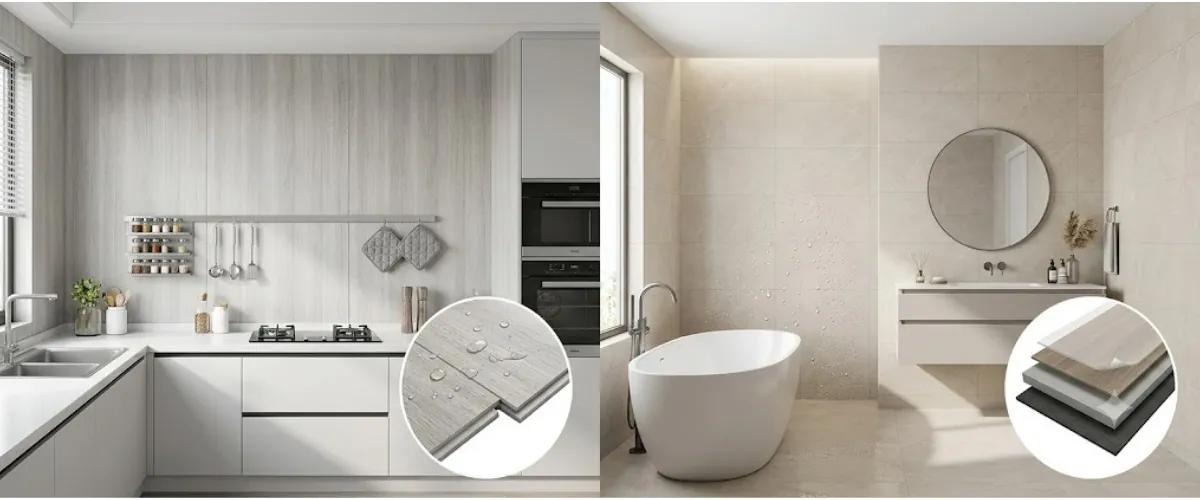
The waterproof performance of SPC wall panels mainly comes from their multi-layer composite structure. Unlike traditional wall materials, SPC panels do not rely on absorbent materials as their main component.
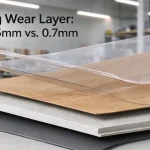
A typical SPC wall panel consists of several layers:
1. Decorative Film Layer
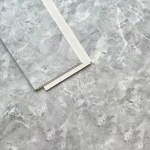
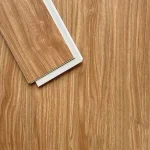
The decorative layer creates the visual appearance of the wall panel. Advanced printing technology allows SPC panels to imitate:
- Natural marble
- Wood grain
- Stone texture
- Fabric patterns
- Modern decorative finishes
This layer is usually covered with a protective coating to improve scratch resistance and daily durability.
2. UV Protective Coating
The UV coating is applied on the surface to protect the decorative layer from:
- Color fading
- Surface damage
- Daily wear
- Environmental exposure
This layer helps maintain the appearance of SPC wall panels for many years.
3. SPC Waterproof Core Layer
The core layer is the key reason why waterproof SPC wall panels have excellent moisture resistance.
SPC stands for Stone Plastic Composite, which is mainly made from:
- Natural limestone powder
- PVC resin
- Stabilizers
- Processing additives
The dense mineral-based core structure has extremely low water absorption compared with wood-based materials.
Unlike MDF, plywood, or gypsum boards, SPC panels do not have natural pores that easily absorb water.
4. Back Layer
The back layer provides additional structural stability and helps improve:
- Panel rigidity
- Installation performance
- Resistance to deformation
The combination of these layers creates a stable wall covering system suitable for humid environments.
Waterproof Core Technology of SPC Wall Panels
The waterproof ability of SPC wall panels mainly comes from the properties of the stone plastic composite core.
Low Water Absorption Rate
The SPC core is a closed-cell structure, meaning water cannot easily penetrate into the material.
Compared with traditional wall materials:
| Material | Water Resistance |
|---|---|
| SPC Wall Panels | Excellent |
| PVC Wall Panels | Good |
| Ceramic Tiles | Excellent |
| MDF Panels | Poor |
| Wallpaper | Poor |
| Gypsum Board | Limited |
Because the SPC core does not swell after absorbing moisture, it maintains stable dimensions even in wet environments.
Waterproof Click-Lock or Seamless Installation
Besides the material itself, installation also affects waterproof performance.
High-quality SPC wall panels usually use:
- Tongue and groove systems
- Click-lock connections
- Waterproof adhesive installation
These systems reduce gaps between panels and prevent moisture from entering behind the wall surface.
For areas exposed to direct water contact, professional sealing around:
- Panel joints
- Corners
- Edges
- Pipes
is recommended.
Moisture Resistance Test of Waterproof SPC Wall Panels
Manufacturers usually evaluate SPC wall panels through several moisture resistance tests.
Water Immersion Test
During water immersion testing, SPC panels are placed in water for a specific period.
A high-quality waterproof SPC wall panel should show:
- No swelling
- No cracking
- No delamination
- No major deformation
This demonstrates the stability of the SPC core material.
Humidity Resistance Test
SPC wall panels are also tested under high humidity conditions to simulate real environments such as:
- Bathrooms
- Kitchens
- Laundry rooms
- Coastal areas
The panels should maintain:
- Stable dimensions
- Surface appearance
- Structural strength
Mold Resistance Performance
Because SPC panels do not absorb moisture like wood products, they provide a less favorable environment for mold growth.
This makes them suitable for spaces where humidity levels are frequently high.
However, proper ventilation and installation are still important to prevent mold problems caused by moisture behind the wall.
Are Waterproof SPC Wall Panels Suitable for Bathrooms?
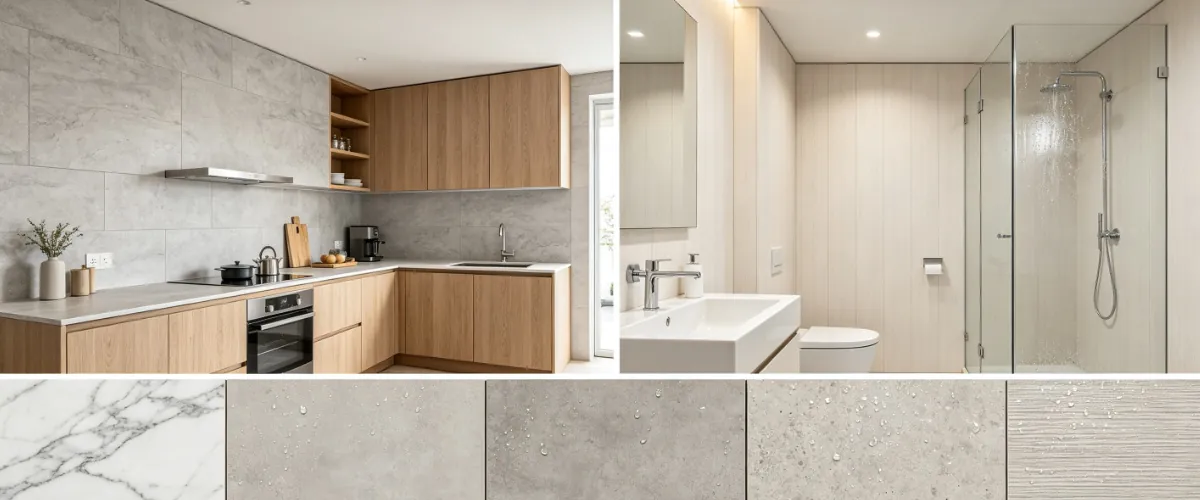
Yes, waterproof SPC wall panels are widely used for bathroom applications because bathrooms are one of the most moisture-sensitive areas in residential and commercial buildings.
Common bathroom applications include:
- Shower wall panels
- Bathtub surrounds
- Vanity walls
- Feature walls
- Full bathroom wall coverings
Advantages in Bathrooms
1. Excellent Water Resistance
SPC panels can handle:
- Steam
- Water splashes
- High humidity
without swelling or losing strength.
2. Easy Cleaning and Maintenance
The smooth surface of SPC wall panels prevents dirt accumulation and makes cleaning easier.
Daily maintenance usually requires only:
- Water
- Mild detergent
- Soft cloth
3. Faster Installation Compared with Tiles
Compared with ceramic tiles, SPC wall panels offer:
- Faster installation
- Less construction waste
- No complicated grouting process
They are especially suitable for renovation projects where reducing installation time is important.
4. Modern Decorative Options
SPC bathroom wall panels are available in many designs:
- White marble
- Grey stone
- Wooden texture
- Concrete style
They allow homeowners and designers to create modern bathroom interiors without heavy tile installation.
Can Waterproof SPC Wall Panels Be Used in Kitchens?
Yes, kitchens are another ideal application area for SPC wall panels.
Kitchen walls often face:
- Water splashes
- Cooking steam
- Oil stains
- Temperature changes
Waterproof SPC wall panels can be installed in areas such as:
- Kitchen backsplashes
- Dining area feature walls
- Cabinet background walls
- Kitchen decoration panels
Benefits of SPC Wall Panels in Kitchens
Moisture Protection
The waterproof core prevents damage caused by daily water exposure.
Oil and Stain Resistance
The protective surface layer makes cleaning easier compared with traditional painted walls.
Heat Resistance Considerations
Although SPC wall panels can tolerate normal kitchen conditions, they should not be installed directly behind high-temperature heat sources such as open flames or areas with continuous extreme heat.
Limitations of SPC Wall Panels
Although waterproof SPC wall panels offer excellent moisture resistance, they are not suitable for every situation.
1. Not Designed for Permanent Water Submersion
SPC panels are waterproof, but they are not designed to remain underwater for long periods.
Applications such as:
- Swimming pools
- Water tanks
- Completely submerged areas
require specialized waterproof materials.
2. Installation Quality Still Matters
Even waterproof materials can experience problems if installed incorrectly.
Common installation issues include:
- Unsealed joints
- Poor wall preparation
- Incorrect adhesive selection
- Water entering behind panels
Professional installation is recommended for wet areas.
3. Avoid Direct High Heat Exposure
SPC wall panels should not be installed directly near:
- Fireplaces
- Open flames
- Industrial heat sources
Extreme temperatures may affect the surface layer and material stability.
4. Wall Surface Preparation Is Important
Before installation, the wall should be:
- Clean
- Dry
- Flat
- Free from loose materials
A properly prepared surface improves both appearance and long-term performance.
SPC Wall Panels vs Traditional Wall Materials
| Feature | SPC Wall Panels | MDF Panels | Wallpaper | Ceramic Tiles |
|---|---|---|---|---|
| Waterproof | Excellent | Poor | Poor | Excellent |
| Moisture Resistance | Excellent | Limited | Poor | Excellent |
| Installation Speed | Fast | Medium | Fast | Slow |
| Maintenance | Easy | Medium | Difficult | Medium |
| Design Options | High | High | High | High |
| Weight | Lightweight | Medium | Lightweight | Heavy |
SPC wall panels provide a balance between waterproof performance, design flexibility, and installation convenience.
Conclusion
Yes, waterproof SPC wall panels are designed to provide excellent moisture resistance due to their stone plastic composite core, low water absorption, and protective surface layers.
They are an ideal choice for:
- Bathrooms
- Kitchens
- Laundry rooms
- Commercial interiors
- Humid environments
However, waterproof does not mean suitable for permanent underwater use. Proper installation, sealing, and maintenance are still essential to achieve the best performance.
For homeowners, designers, and contractors looking for a durable alternative to traditional wall coverings, SPC wall panels offer a practical combination of waterproof protection, modern aesthetics, and long-term durability.