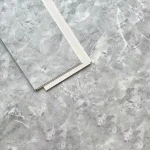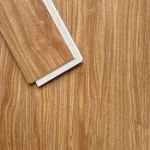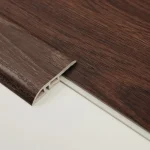
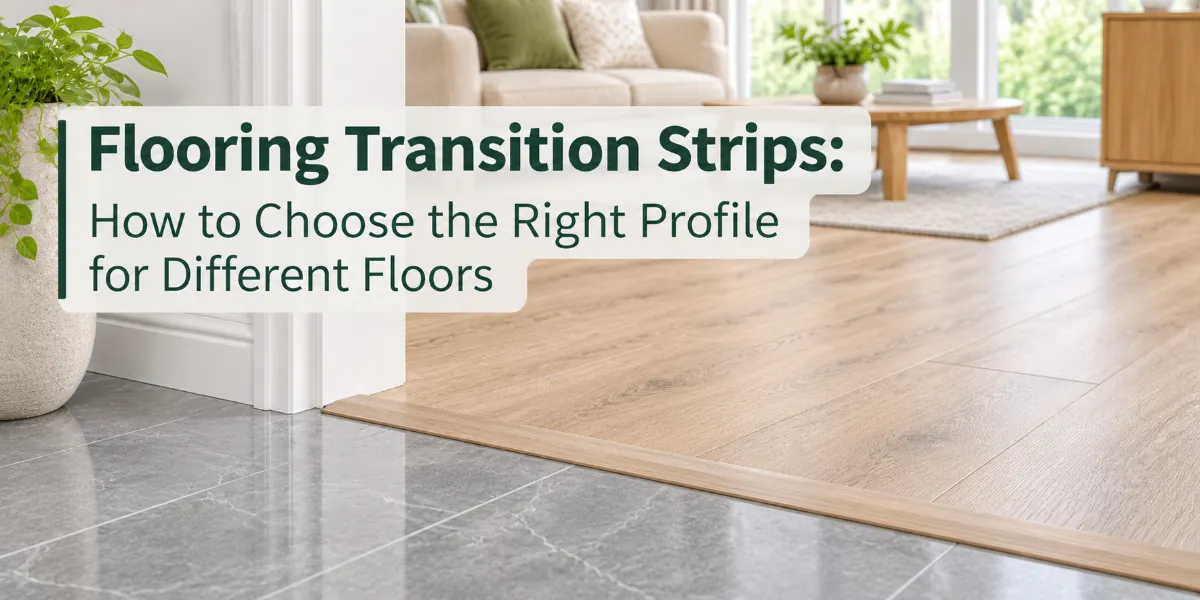
Flooring transition strips connect different flooring materials and create a neat finish between adjacent surfaces. In projects that combine SPC flooring with tile, carpet, or wood, the right profile helps cover exposed edges, manage floor height differences, and improve the overall appearance. For flooring distributors, contractors, and project buyers, choosing suitable flooring transition strips also means considering profile dimensions, installation methods, and compatibility with the flooring system.
Why Do Different Flooring Materials Need Transition Strips?
Different flooring materials often have different thicknesses, edge structures, and installation requirements. For example, ceramic tile may sit higher than SPC flooring, while carpet can create an uneven edge where it meets a rigid floor.
Without a suitable transition profile, these connections may leave exposed edges, visible gaps, or abrupt changes in floor level. A properly selected profile helps create a cleaner connection and protects vulnerable flooring edges.
The best choice depends on the materials on both sides, their finished heights, and the available joint dimensions.
1. Connecting SPC Flooring to Tile
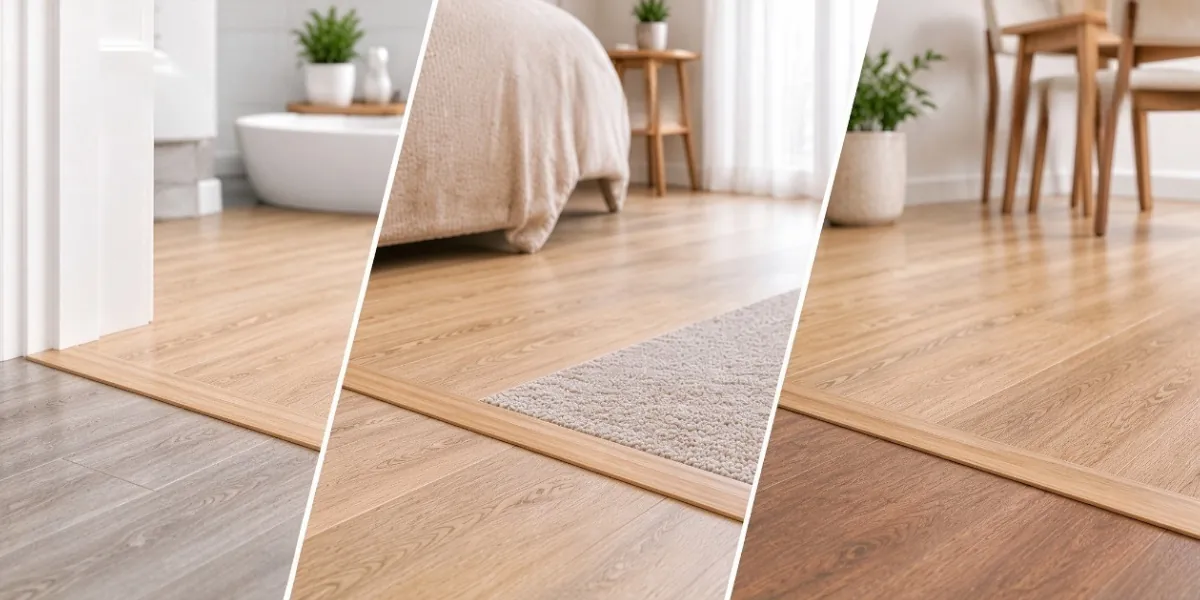
SPC flooring and ceramic tile often meet at bathroom entrances, kitchen doorways, and renovated living spaces. However, their finished heights may differ because tile installations include adhesive and mortar layers.
Before selecting a profile, measure both finished floor surfaces rather than comparing the flooring materials alone.
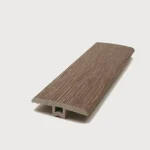
- Similar floor heights: A suitable T-moulding may cover the joint between the two surfaces.
- Different floor heights: A reducer may provide a gradual connection if its dimensions match the measured height difference.
- Exposed SPC edges: An appropriate edge trim may help protect the termination point.
For more details about profile dimensions and available options, explore YPRO’s SPC flooring accessories.
2. Connecting SPC Flooring to Carpet
SPC flooring and carpet commonly meet at bedroom entrances, hotel doorways, and residential renovation projects. Carpet thickness, pile height, and underlay can all affect the final floor level.
A suitable transition profile should accommodate the carpet edge while providing enough coverage for the SPC flooring side. In many installations, a reducer works well when the carpet surface sits lower than the SPC floor, provided the profile matches the actual height difference.
Installers should also check how the carpet edge will be secured. The transition strip should not replace the appropriate carpet fastening method. Proper edge preparation helps prevent loose carpet edges and creates a more finished appearance.
For project buyers, checking carpet thickness and underlay specifications before ordering can reduce the risk of choosing an unsuitable profile.
3. Connecting SPC Flooring to Wood Flooring
SPC flooring can also meet solid hardwood or engineered wood flooring in mixed-material interiors. These combinations are common in renovation projects, apartments, hotels, and commercial spaces.
The main challenge is that the two materials may differ in thickness, surface level, and movement characteristics.
When both finished surfaces sit at a similar height, a compatible T-moulding may cover the joint. If one surface is lower, a suitable reducer can create a more gradual transition.
Color and finish also matter. A profile that coordinates with the SPC floor or complements the wood surface can create a more consistent appearance across connected rooms.
When specifying these transitions, buyers should confirm the joint width, flooring thickness, and installation requirements for both materials.
4. Same-Height vs. Different-Height Floor Transitions
The relationship between finished floor heights is one of the most important factors when choosing flooring transition strips.
For similar-height surfaces, installers generally need a profile that covers the joint while allowing the flooring system to follow its specified installation and movement requirements.
For different-height surfaces, the profile must accommodate the measured level difference without leaving an exposed edge or creating an unsuitable slope.
The profile name alone does not guarantee compatibility. Always check the product cross-section, overall width, height, fixing method, and permitted application range before installation.
5. How to Choose the Right Flooring Transition Strips
Before placing an order, distributors and project buyers should review five important details:
1. Flooring materials: Identify both surfaces, such as SPC and tile, SPC and carpet, or SPC and wood.
2. Finished floor heights: Measure the actual height of each installed surface, including underlay, adhesive, and other relevant layers.
3. Joint width: Confirm the gap between the flooring edges and make sure the profile provides sufficient coverage.
4. Installation method: Check whether the profile uses adhesive, a track, clips, or another fixing system. Follow the product’s installation instructions.
5. Color and specifications: Compare profile colors, finishes, dimensions, and packaging requirements with the flooring collection and project needs.
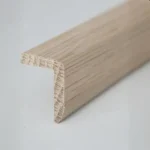
YPRO offers several SPC flooring accessory options, including T-moulding, reducers, and L-moulding. Buyers can also review the SPC flooring range when planning a coordinated flooring solution.
6. What Should Buyers Confirm Before Bulk Ordering?
For wholesale and commercial projects, transition profiles should be included in the material schedule before installation begins.
Buyers should confirm the required profile types, dimensions, colors, quantities, and fixing methods for each flooring connection. It is also useful to request samples or technical drawings to check compatibility before approving a bulk order.
If a project includes several flooring materials, prepare a separate specification for each transition location. This makes purchasing more accurate and helps installers receive the correct accessories.
Conclusion
The right flooring transition strips depend on the materials being connected, the finished floor heights, and the dimensions of the joint. SPC-to-tile, SPC-to-carpet, and SPC-to-wood transitions may require different profiles even within the same project.
By checking these installation details before ordering, flooring distributors, contractors, and project buyers can select more suitable accessories and achieve cleaner floor connections.
Looking for matching SPC flooring profiles for your next project? Contact YPRO to discuss product dimensions, colors, samples, and customized accessory requirements.