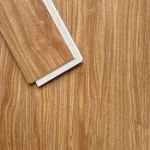
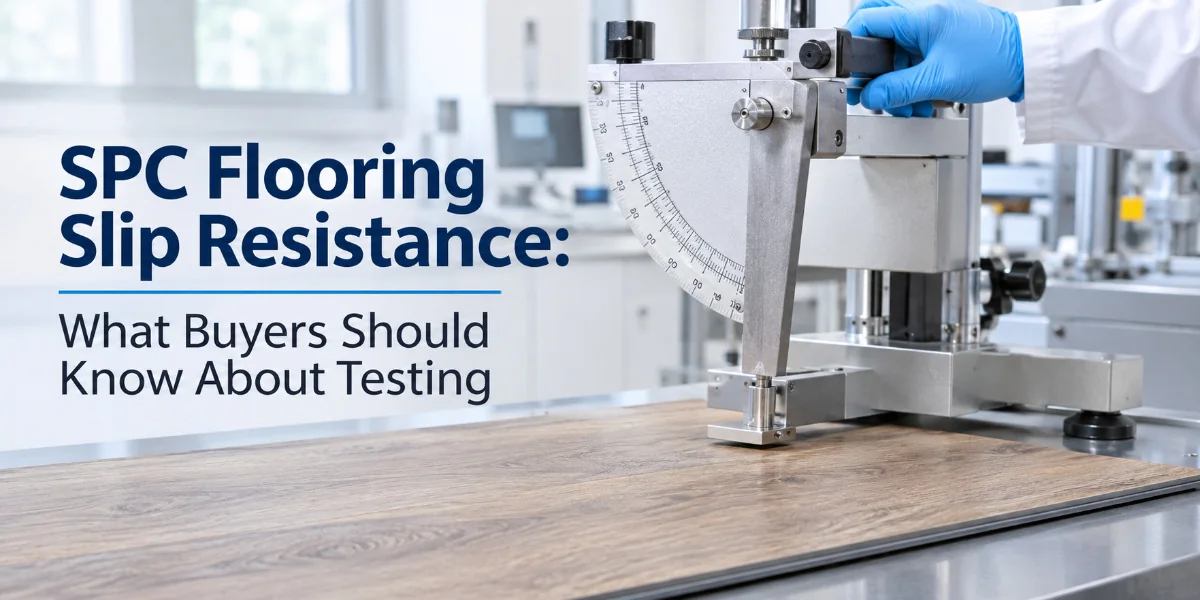
SPC flooring slip resistance is an important consideration for flooring distributors, importers, contractors, and commercial project buyers. Although SPC flooring is widely recognized for its waterproof structure and durable surface, these features do not automatically guarantee good slip resistance.
Before selecting flooring for residential or commercial applications, buyers should understand what affects surface traction, how slip resistance is tested, and how to evaluate technical reports. This guide explains the key factors to consider when sourcing SPC flooring for different project requirements.
1. What Is SPC Flooring Slip Resistance?
Slip resistance refers to the ability of a flooring surface to resist sliding when people walk across it. It depends on the interaction between the floor surface, footwear, contaminants, and walking conditions.
For SPC flooring, surface characteristics play an important role in this performance. Different surface finishes, embossing patterns, and coatings may produce different friction characteristics.
However, visual appearance alone cannot determine whether a product provides sufficient traction. A textured wood-grain finish may look less smooth than a matte surface, but this does not automatically mean it performs better in slip resistance tests.
Buyers should evaluate actual test results rather than relying only on product descriptions or appearance.
2. What Factors Affect SPC Flooring Slip Resistance?
Several factors can influence the slip resistance of SPC flooring.
Surface Texture: Embossed wood-grain patterns, stone textures, and other surface finishes create different contact characteristics. Their actual performance should be confirmed through appropriate testing.
Surface Coating: UV coatings and other surface treatments can influence the finished surface characteristics. Buyers should request test information for the specific finish they intend to purchase.
Water and Contaminants: Water, dust, soap residue, oil, and cleaning products can change the friction between footwear and flooring. A surface that performs well when dry may behave differently when wet or contaminated.
Cleaning and Maintenance: Incorrect cleaning methods or accumulated residues may affect surface conditions over time. Regular maintenance should follow the manufacturer’s recommendations.
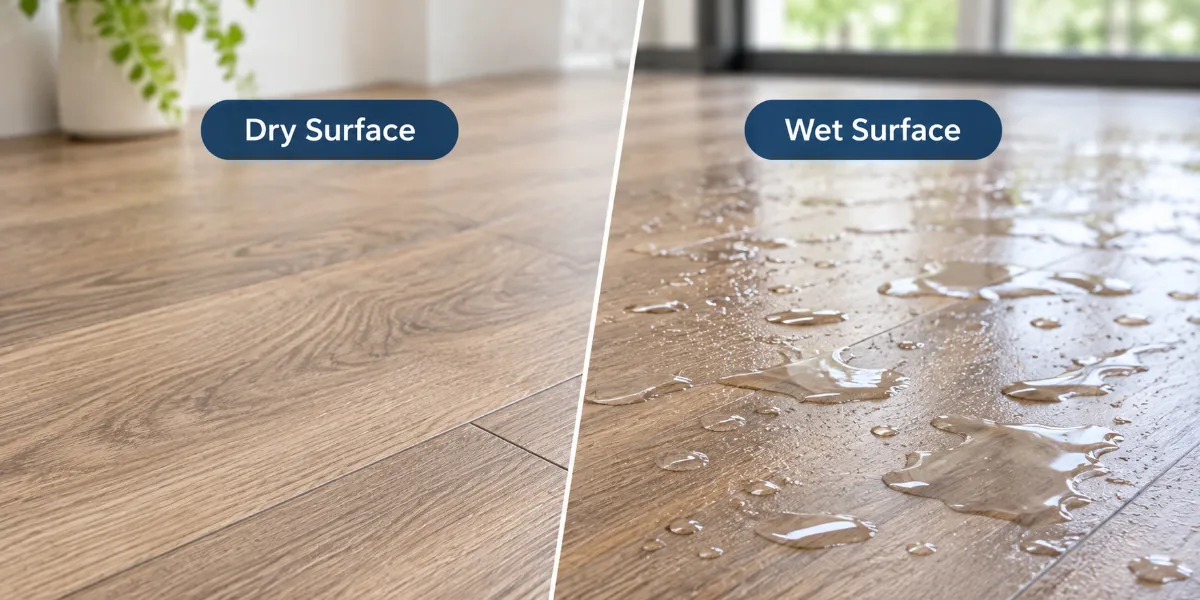
3. Dry vs. Wet SPC Flooring: What Is the Difference?
Testing under dry and wet conditions helps buyers understand how flooring behaves in different environments.
Dry Conditions
Dry surfaces generally have fewer external contaminants that can affect friction. However, performance still depends on the flooring finish, test method, and contact materials.
Wet Conditions
Water can change the interaction between footwear and the flooring surface. This is particularly important in entrances, kitchens, hotel facilities, and other areas where moisture may be present.
Importantly, waterproof SPC flooring does not automatically mean slip-resistant flooring. Waterproof performance describes the material’s resistance to water penetration, while slip resistance concerns surface traction.
For projects where floors may become wet, buyers should request relevant wet-condition test results instead of relying on waterproof product claims.
4. How Is SPC Flooring Slip Resistance Tested?
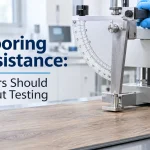
There are several recognized methods for evaluating flooring slip resistance. The appropriate method depends on the target market, project application, and applicable specifications.
Two important references include:
EN 16165:2021
This European standard describes four methods for evaluating the slip resistance of pedestrian surfaces:
- Barefoot ramp test using water.
- Shod ramp test using oil.
- Pendulum test under dry and wet conditions.
- Tribometer test under dry and wet conditions.
These methods assess surface performance under different testing conditions. Their results should not be treated as directly interchangeable.
ANSI A326.3
This American standard describes a method for measuring the Dynamic Coefficient of Friction (DCOF) of hard surface flooring materials.
DCOF measures the friction between a test material and a flooring surface while movement is taking place. The result is influenced by specific testing conditions, equipment, and test materials.
Buyers should confirm that the selected testing method matches the requirements of their intended market and application.
5. How to Read an SPC Flooring Slip Resistance Test Report
A test report provides more useful information than a general statement such as slip-resistant or anti-slip.
Before accepting a supplier’s claims, review the following details:
- Testing Standard: Check whether the report references EN 16165, ANSI A326.3, or another applicable method.
- Testing Conditions: Confirm whether the test was conducted under dry, wet, or other specified conditions.
- Test Results: Review the reported values, units, and classification where applicable.
- Product Identification: Make sure the tested sample matches the actual SPC flooring model, surface finish, and specification being purchased.
- Laboratory Information: Check the testing laboratory, report date, and identification details.
Do not compare results from different testing methods as if they were equivalent. A higher numerical result under one method does not necessarily indicate better performance under another.
For additional product inspection guidance, read our article on SPC Flooring Quality Inspection.
6. How to Choose SPC Flooring for Commercial Projects
Commercial buyers should consider more than product appearance when selecting flooring for offices, retail stores, hotels, and other public spaces.
The first step is to identify the expected conditions of use. Consider pedestrian traffic, footwear, potential water exposure, cleaning frequency, and maintenance requirements.
Next, confirm the applicable building regulations and project specifications in the destination market. Some applications may require specific slip resistance classifications or testing methods.
For areas exposed to water, request test reports that reflect the relevant wet conditions. For entrances, kitchens, and other potentially contaminated areas, additional project-specific assessment may be necessary.
Buyers should also review the complete flooring specification, including wear layer, surface finish, locking system, and installation requirements.
Our SPC Flooring Buying Guide provides additional information to help importers and distributors compare products before ordering.
7. What Should Buyers Confirm Before Ordering?
Before placing a bulk order, ask your supplier to confirm:
- Which slip resistance testing standards are available?
- Have the actual product and surface finish been tested?
- Are dry and wet test results available where required?
- Does the report meet the target project’s specifications?
- Are the test reports applicable to the production model being ordered?
- What cleaning and maintenance procedures are recommended?
Keeping these details in the purchasing specification can reduce misunderstandings and help ensure that the selected product meets project expectations.
Conclusion
SPC flooring slip resistance should be evaluated through appropriate testing rather than visual appearance or general product claims. Surface texture, coatings, moisture, contaminants, and maintenance can all influence flooring performance.
For importers, distributors, and commercial project buyers, reviewing relevant test reports and confirming local requirements are essential steps before ordering.
YPRO offers SPC flooring in different designs, surface finishes, and specifications for various residential and commercial applications. Contact YPRO to discuss your product requirements, request samples, and explore suitable flooring options for your next project.