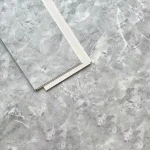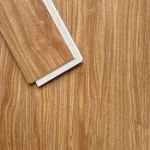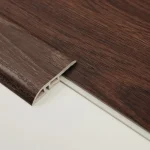
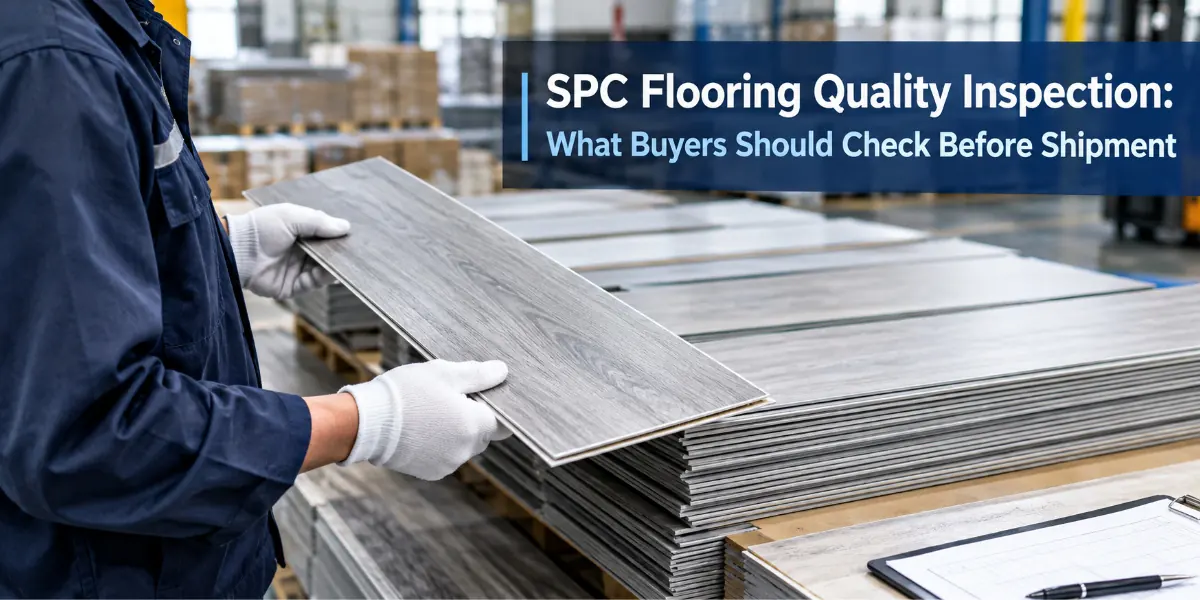
Before a bulk order leaves the factory, buyers need to confirm that the finished flooring matches the approved sample and purchase specifications. SPC flooring quality inspection helps importers, wholesalers, and distributors identify visible defects, dimensional inconsistencies, locking problems, and packaging issues before shipment.
A clear inspection process also helps reduce disputes between buyers and suppliers. By checking the right items and documenting the results, buyers can make more informed decisions before approving an order for dispatch.
1. SPC Flooring Quality Inspection: Surface and Color
Start by examining the surface of the finished SPC flooring under consistent lighting. Compare the production batch with the approved reference sample to identify differences in appearance.
Check for:
- Scratches, stains, dents, or other visible surface defects
- Printing defects or inconsistent wood-grain patterns
- Uneven surface texture or embossing
- Noticeable color differences between planks
- Chipped corners or damaged edges
For orders containing multiple colors or designs, verify that each carton carries the correct product identification. Where color consistency is important, compare samples from different cartons rather than inspecting only one plank.
Minor appearance variations may occur depending on the product design and manufacturing process. Acceptance criteria should therefore be agreed upon before production.
2. SPC Flooring Quality Inspection: Dimensions and Thickness
Dimensional accuracy is essential for installation and product consistency. Even when individual planks look similar, differences in length, width, or thickness may affect joint alignment and the finished floor.
During inspection, measure the following:
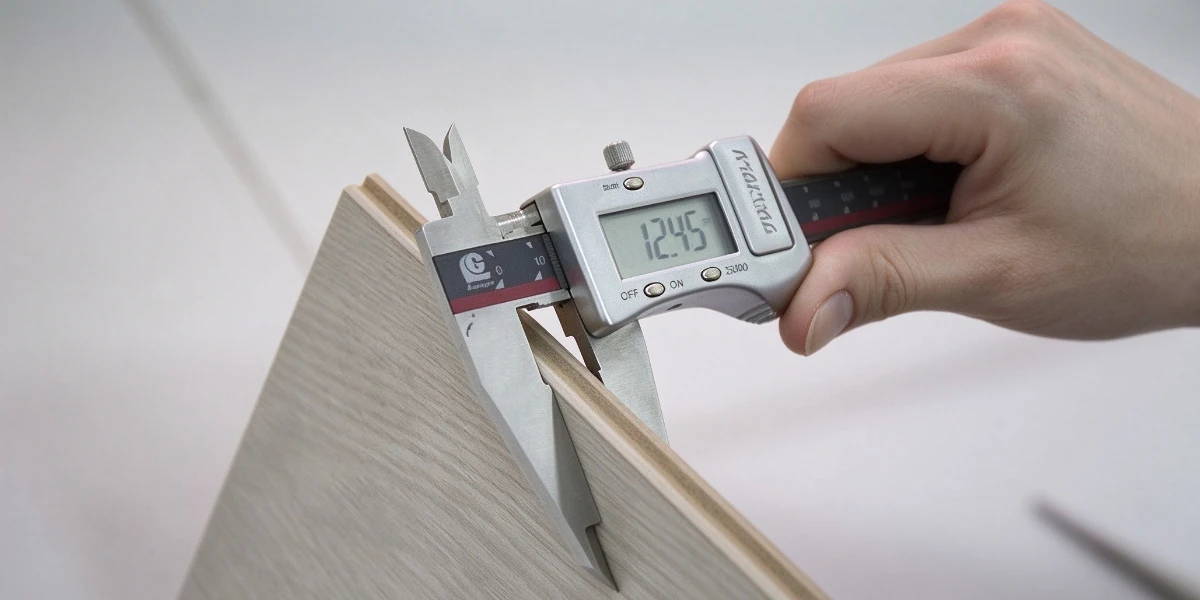
- Length and width: Check representative planks against the dimensions stated in the order.
- Overall thickness: Measure the complete plank, including the attached underlayment if it forms part of the specified product.
- Wear layer thickness: Confirm that the protective surface layer matches the agreed specification.
- Edge and profile dimensions: Check the plank edges and locking profiles for visible inconsistencies.
Use suitable measuring equipment and record the results. Measurements should follow the agreed inspection method, including the specified measurement points and tolerances.
For additional guidance on product specifications, read our SPC Flooring Buying Guide. It explains the key factors buyers should consider when comparing flooring products for wholesale and distribution.
3. Inspect the SPC Flooring Wear Layer
The wear layer helps protect the decorative surface from everyday abrasion. Buyers should verify that its specified thickness matches the purchase order rather than assuming that a thicker plank automatically has a thicker wear layer.
Review the technical specification and request relevant test reports when performance requirements apply. Visual inspection alone cannot establish abrasion resistance or long-term durability.
It is also useful to compare the surface finish with the approved sample. Check whether the texture, gloss level, decorative pattern, and color are consistent with the intended product.
Different projects may require different wear layer specifications. Our guide to SPC Flooring Wear Layer explains common thickness options and the factors buyers should consider when selecting them.
4. Check SPC Flooring Click-Lock Joints
The locking system affects installation efficiency and the alignment of adjacent planks. A joint that does not engage correctly may create gaps, uneven edges, or installation difficulties.
Select several planks from different cartons and assemble them according to the manufacturer’s instructions. Check whether:
- The locking edges engage without unusual resistance.
- Connected planks align consistently.
- There are no unexplained gaps or noticeable height differences.
- The locking edges show no visible cracks, chips, or damage.
- The joints remain properly connected during normal handling.
Do not use excessive force to make a joint fit. Incorrect assembly can damage the locking profile and lead to misleading inspection results.
For more details, see our article on the SPC Flooring Locking System, which discusses locking profiles, joint fit, and sample inspection.
5. Check SPC Flooring Packaging Before Shipment
Product quality is only one part of pre-shipment inspection. Packaging and labeling also need to match the order to help prevent damage, identification errors, and delivery disputes.
Verify the following details:
- Product name, color, and design code
- Planks or square meters per carton, as specified
- Carton quantity and total order quantity
- Batch identification and buyer-approved labels
- Carton condition and protection against handling damage
- Pallet stability and suitability for transportation, where applicable
If the order uses private-label packaging, confirm that the final printed artwork and product information match the approved version. Photograph the cartons and palletized goods before dispatch to maintain a record of the shipment condition.
6. SPC Flooring Inspection and Sampling Plan
Inspecting every plank may not be practical for a large order. Buyers can use a sampling plan based on the shipment size, product risk, contractual requirements, and available inspection resources.
Before inspection, agree on the sample quantity, selection method, inspection criteria, and defect classification. Samples should be taken from different cartons or production batches where applicable, rather than selected only from easily accessible products.
Record the number of units inspected, the defects found, and the relevant measurements. If results fall outside the agreed acceptance criteria, request further inspection or corrective action before approving shipment.
For large or high-value orders, an independent inspection service may provide additional assurance. However, sampling cannot guarantee that every unit is defect-free, so the inspection scope and limitations should be understood by both parties.
SPC Flooring Pre-Shipment Inspection Checklist
| Inspection item | What buyers should verify |
|---|---|
| Appearance | Scratches, stains, printing, and color consistency |
| Dimensions | Length, width, and overall thickness |
| Wear layer | Specified thickness and supporting documentation |
| Locking joints | Fit, alignment, and visible edge damage |
| Packaging | Carton condition, labels, and quantities |
| Sampling | Agreed inspection method and acceptance criteria |
Keep inspection records, photographs, measurement results, and any corrective-action reports with the purchase documents. These records make it easier to communicate issues and compare quality across repeat orders.
Conclusion
A reliable SPC flooring quality inspection process covers appearance, dimensions, wear layer specifications, click-lock performance, packaging, and sampling records. Checking these items before shipment helps importers and distributors identify discrepancies while there is still time to discuss corrective action.
YPRO provides SPC flooring options for different product and project requirements. Explore our SPC Flooring collection or contact YPRO to discuss specifications, request samples, and confirm the inspection requirements for your next order.