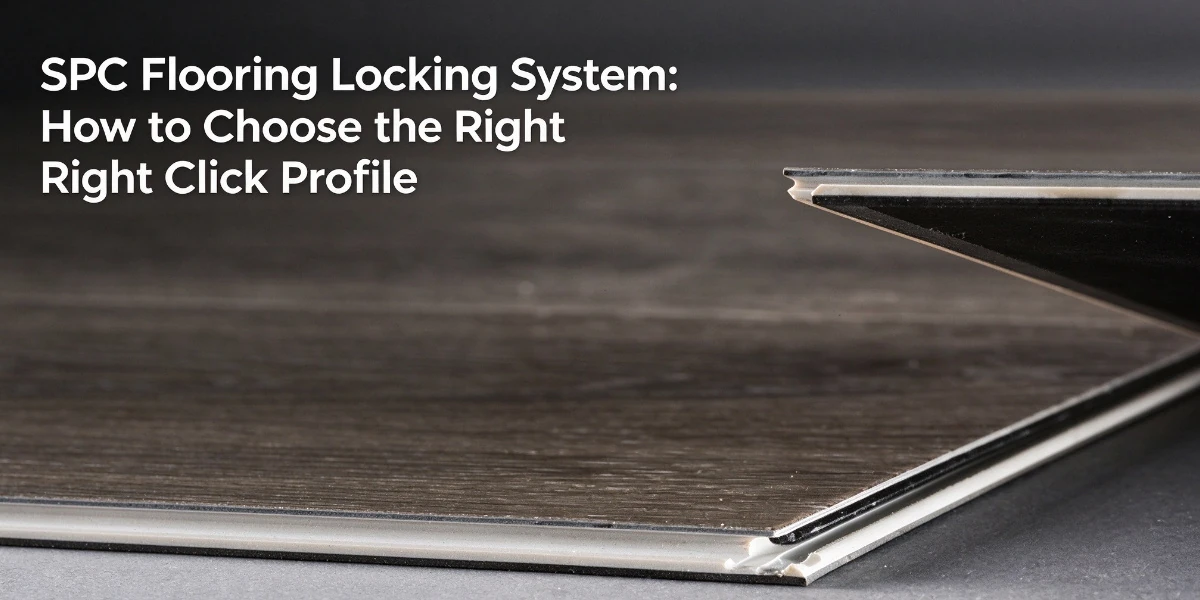
Choosing the right SPC flooring locking system is important for flooring distributors, importers, and project buyers. The locking profile affects installation methods, plank alignment, and joint performance. While thickness, wear layer, and surface design are important, buyers should also evaluate how adjacent planks connect before placing a bulk order.
Understanding common click-lock technologies and inspecting physical samples can help buyers compare products and identify potential installation issues.
What Is an SPC Flooring Locking System?
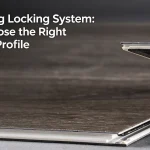
An SPC flooring locking system uses specially shaped plank edges to connect adjacent boards without traditional full-surface adhesive. The interlocking profile helps maintain alignment and resist separation during normal use.
Different systems use different connection mechanisms. Some require planks to be angled into position, while others use a folding, drop-lock, or push-down mechanism. The appropriate design depends on the flooring construction, installation requirements, and intended application.
Buyers should evaluate the complete locking profile rather than assuming that all click-lock flooring offers the same installation experience or connection strength.
Common SPC Flooring Locking Systems
Several locking technologies are available in the flooring market. Understanding their basic mechanisms helps buyers ask more specific questions when comparing suppliers.
5G locking system: Välinge’s 5G Fold Down technology uses a flexible insert that engages as the plank is lowered into position. The insert moves into a locking groove and returns to secure the connection. This design can simplify installation and provide horizontal and vertical locking. Buyers should confirm which 5G version is offered and whether its specific profile suits the intended flooring construction.
i4F drop-lock system: i4F offers drop-lock technologies designed to simplify plank installation. Depending on the system, the long edge may connect at an angle before the short edge is lowered into place. Some designs use an integrated, one-piece locking mechanism rather than a separate plastic insert. Installation steps and performance therefore depend on the specific i4F technology, not simply the brand name.
5G-i push-down system: 5G-i is a separate Välinge technology that integrates the locking element into the flooring core. The long edge is angled into position before the plank is pushed down, with a soft mallet used as directed to complete the connection. This differs from the separate insert used in the original 5G Fold Down design. Buyers should verify the exact profile and follow the manufacturer’s installation instructions.
2G angling system: Unlike drop-lock designs, 2G uses an angled installation method to engage the locking mechanism. It provides horizontal and vertical locking when correctly installed. Installation may require more time or additional handling compared with some drop-lock systems, depending on plank dimensions and site conditions. It should not be described simply as an obsolete friction-fit joint.
These technologies are not interchangeable labels for every click profile. A supplier may use a proprietary or independently developed design, so buyers should request the actual profile specification instead of assuming that a product uses a licensed technology.
How the Locking Profile Affects Installation and Joint Quality
A suitable locking profile should engage consistently and help maintain aligned joints. Three factors deserve particular attention.
Installation convenience: The connection should follow a clear installation sequence without requiring excessive force. Incorrect alignment or inappropriate hammering can damage locking edges, including flexible inserts.
Joint consistency: Properly installed planks should align according to the product specification, without unexplained gaps or noticeable height differences. Manufacturing tolerances and installation technique both influence the result.
Connection integrity: A strong connection should resist separation under the conditions for which the product is designed. However, a tight-fitting joint alone does not prove that the flooring will perform well over time.
Subfloor flatness also matters. Uneven surfaces can place additional stress on plank joints, while incorrect installation can damage even a well-manufactured locking profile. For underfloor heating or other demanding applications, confirm the complete flooring system’s temperature limits, expansion requirements, and installation instructions rather than relying on the locking system name alone.
How to Check SPC Flooring Locking Quality
Before approving a product, assemble several planks and inspect the following details:
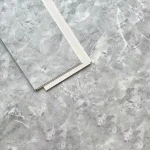
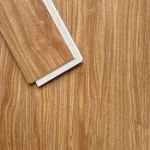
- Profile consistency: Check multiple planks for irregular edges, chips, cracks, or differences in the locking profile.
- Joint fit: Assemble the planks according to the supplied instructions. Look for consistent alignment and gaps that fall within the manufacturer’s specifications.
- Edge durability: Inspect the locking areas after assembly. Where disassembly is permitted, check for damage after following the recommended removal method.
- Surface alignment: Examine connected planks for uneven edges or noticeable height differences.
- Installation requirements: Confirm whether the product requires angled engagement, downward pressure, a specific mallet, or other installation steps.
For commercial projects, buyers may also request relevant test reports for locking strength, dimensional stability, and joint performance. Visual inspection is useful, but it does not replace formal testing where project specifications require it.
What to Check When Requesting SPC Flooring Samples
Samples help buyers evaluate the actual connection rather than relying on product descriptions alone. Request enough planks to test both long-edge and short-edge connections where applicable.
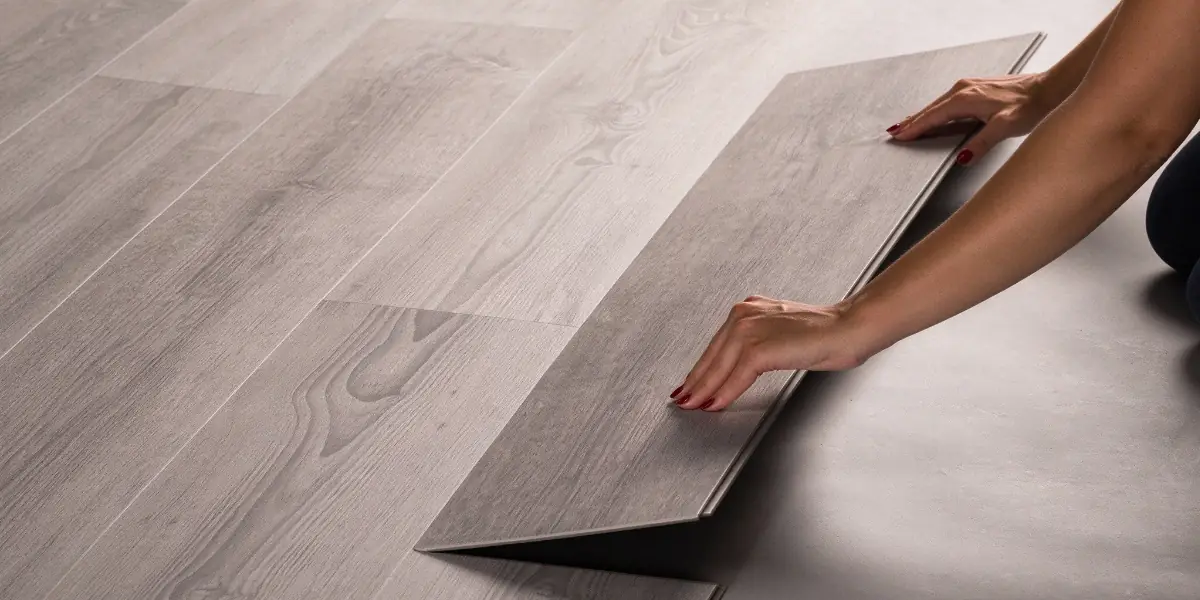
Assemble the samples on a flat surface and follow the manufacturer’s instructions. Check whether the joints engage smoothly, whether the connected edges remain aligned, and whether any visible damage occurs during normal installation.
For larger orders, confirm that the approved sample matches the intended production specification. Record the plank dimensions, thickness, locking profile, and installation method. Ask the supplier to clarify any differences between the sample and the product proposed for mass production.
Choosing the Right SPC Flooring Locking System
The best option depends on installation requirements, installer experience, project conditions, and the quality of the complete flooring product. A drop-lock system may simplify certain installation steps, while an angled system may suit other product designs. Neither approach is automatically superior in every application.
For distributors and importers, the practical approach is to compare actual samples, verify technical documentation, and evaluate joint consistency before committing to bulk purchasing.
Conclusion
A suitable SPC flooring locking system supports efficient installation and consistent plank connections. By understanding the differences between 5G, i4F drop-lock, 5G-i, and 2G systems—and checking the actual product rather than relying on technology names alone—buyers can make better-informed sourcing decisions.
Explore YPRO SPC Flooring to review available flooring options. You can also consult the SPC Flooring Buying Guide or contact YPRO to discuss product specifications and request samples.