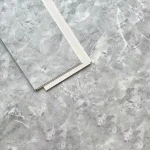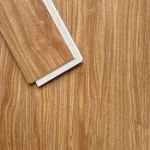
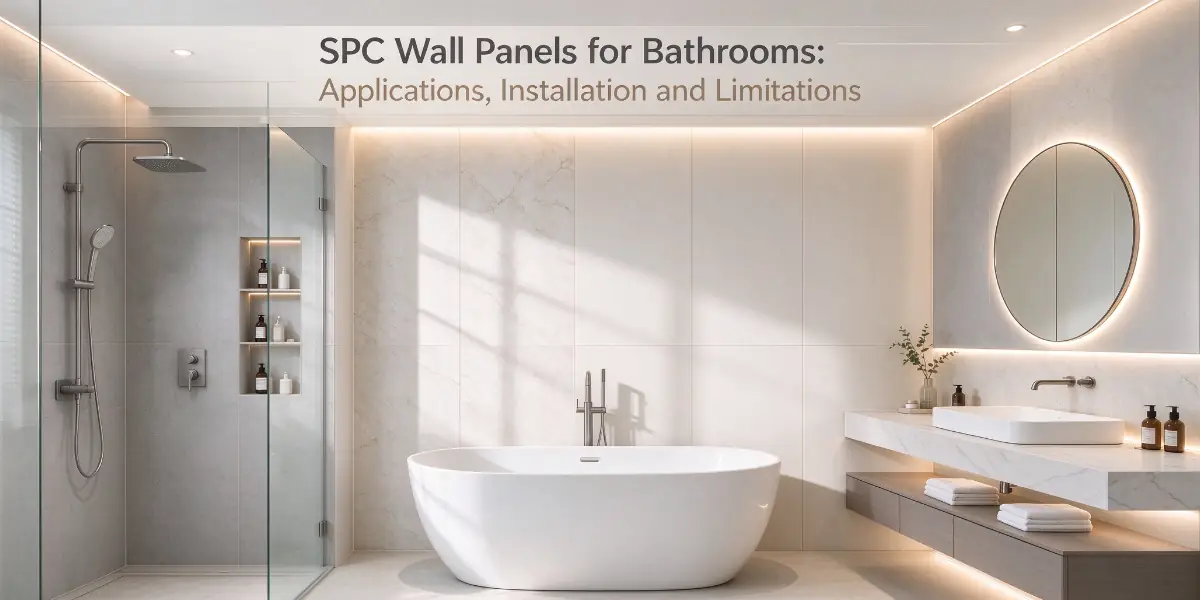
SPC wall panels for bathrooms are increasingly used as an alternative to traditional wall finishes in residential, hotel, commercial, and renovation projects. Their rigid SPC core, moisture-resistant surface, and relatively simple installation make them suitable for many bathroom applications. However, choosing the right panel is only part of the process. Wall preparation, joints, sealing, ventilation, and installation conditions also affect long-term performance.
For distributors, contractors, and project buyers, understanding where SPC wall panels for bathrooms can be used and their limitations is important before specifying them for a bathroom project.
Where Can SPC Wall Panels Be Used in Bathrooms?
SPC wall panels for bathrooms can be used in several areas where moisture resistance and easy maintenance are important.
Common applications include:
- Shower wall areas
- Bathtub surrounds
- Vanity walls
- Bathroom feature walls
- Hotel and guest bathroom interiors
- Commercial bathroom wall coverings
- Renovation projects over suitable existing surfaces
YPRO SPC wall panels are available in different thicknesses, widths, lengths, and installation options, including glue and click-lock systems. The current product range includes 4 mm, 5 mm, and 6 mm thicknesses, with customized specifications also available.
For projects with direct water exposure, buyers should confirm the manufacturer’s recommended application and installation requirements rather than selecting a panel based only on its waterproof material.
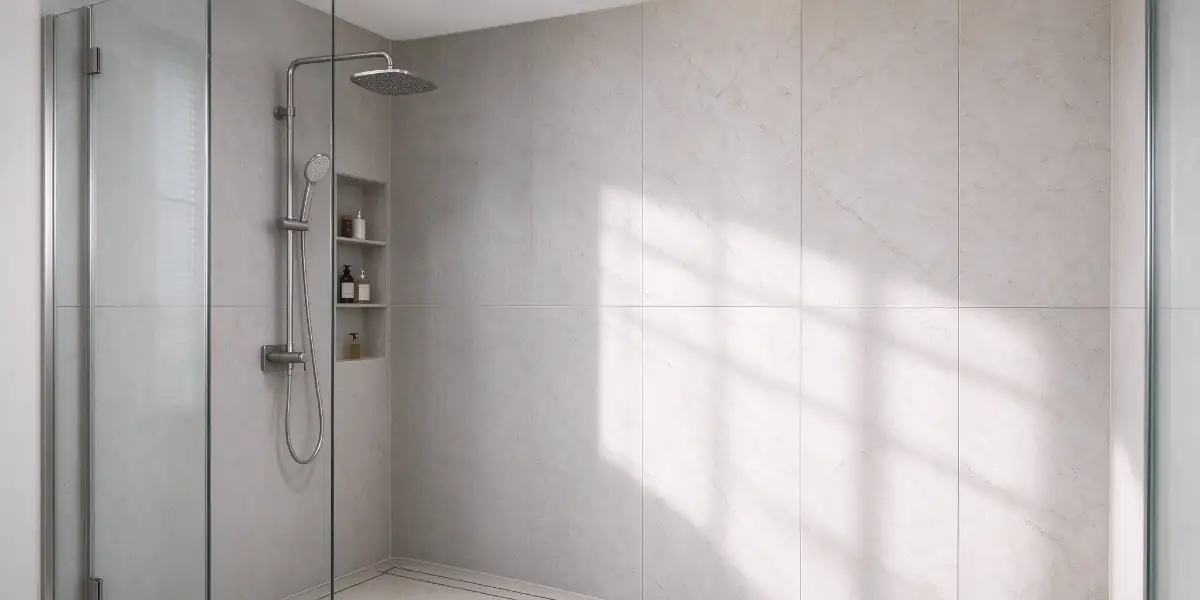
Can SPC Wall Panels Be Used in Shower Areas?
Yes, SPC wall panels can be used around shower areas when the selected product and installation system are suitable for the application.
The important point is that water resistance depends on more than the panel itself. Water can enter through poorly sealed joints, corners, edges, pipe penetrations, or gaps between the panel and surrounding surfaces.
Before installation, pay particular attention to:
- Panel joints
- Internal and external corners
- Wall-to-floor connections
- Areas around pipes and fittings
- Shower fixtures
- Panel edges and termination points
Proper sealing is especially important in areas exposed to regular direct water.
For a more detailed explanation of the material’s water resistance and application considerations, see YPRO’s guide to waterproof SPC wall panels.
SPC wall panels should therefore be considered as part of a complete wall installation rather than as a replacement for every waterproofing measure used in a bathroom.
How to Install SPC Wall Panels in a Bathroom
A practical installation process usually includes several basic steps.
1. Prepare the Wall Surface
The wall should be clean, dry, sufficiently flat, and structurally sound. Loose tiles, damaged surfaces, dust, grease, or other contaminants should be addressed before installation.
For renovation projects, existing tiles may sometimes provide a suitable substrate, but their condition and flatness should be checked first.
2. Measure and Cut the Panels
Measure the wall carefully before cutting. Plan the position of joints, corners, outlets, pipes, and bathroom fixtures in advance.
Accurate measurements can reduce material waste and help create cleaner finished edges.
3. Install the Panels
Depending on the product, SPC wall panels may be installed using adhesive or a click-lock connection system. YPRO provides both glue and click-lock installation options.
Follow the manufacturer’s installation instructions for the selected panel, adhesive, and substrate.
4. Seal Joints and Edges
Joints, corners, edges, and penetrations require particular attention in bathroom installations.
The appropriate sealant and installation method should be selected according to the product and project requirements. A moisture-resistant panel cannot prevent water from entering through an incorrectly installed or poorly sealed joint.
5. Check the Finished Installation
After installation, inspect the panel alignment, joints, corners, edges, and areas around plumbing fixtures.
Any visible gaps or damaged sealant should be corrected before the bathroom is put into regular use.
Can SPC Wall Panels Be Installed Over Existing Bathroom Tiles?
SPC wall panels may be installed over existing tiles when the tile surface is stable, clean, sufficiently flat, and compatible with the selected installation system.
This can make them useful for bathroom renovation projects because the existing wall finish may not always need to be completely removed.
However, loose or damaged tiles should not simply be covered. Uneven surfaces can also affect panel installation and the finished appearance.
Before starting a renovation project, check:
- Tile adhesion and stability
- Surface flatness
- Moisture conditions
- Existing cracks or damage
- Adhesive compatibility
- Joint and edge sealing requirements
If there is an existing water or moisture problem behind the tiles, installing a new wall panel over the surface does not solve the underlying problem.
Limitations of SPC Wall Panels in Bathrooms
Although SPC wall panels for bathrooms offer strong moisture resistance, several limitations should be considered.
Joints Still Need Proper Sealing
The panel itself may be water resistant, but joints and penetrations can create potential paths for water. Installation quality therefore has a direct effect on bathroom performance.
Wall Preparation Matters
SPC panels do not automatically hide serious substrate problems. Significant unevenness, damaged walls, or unstable tiles should be corrected before installation.
Ventilation Is Still Important
Good bathroom ventilation helps reduce persistent humidity and condensation. Even moisture-resistant wall panels should be installed in a bathroom with appropriate airflow.
Product Specifications Can Differ
Not all SPC wall panels have identical core structures, surface finishes, dimensions, or installation systems. Buyers should compare technical specifications rather than relying only on the term “SPC wall panel.”
For buyers evaluating long-term use, YPRO’s guide to SPC wall panel lifespan provides additional information about factors that can affect service life.
How to Maintain SPC Bathroom Wall Panels
SPC bathroom wall panels are relatively easy to maintain. Regularly remove soap residue, dust, and water marks with a soft cloth and a mild cleaner.
Pay particular attention to joints, corners, and areas around bathroom fixtures. Avoid abrasive pads, aggressive chemicals, or hard scrubbing unless specifically approved by the manufacturer.
For detailed maintenance recommendations, see YPRO’s SPC wall panel cleaning guide.
What Should B2B Buyers Check?
When sourcing SPC wall panels for bathroom projects, buyers should evaluate more than appearance.
Key points include:
- Panel thickness and dimensions
- Core composition
- Surface finish
- Installation method
- Joint and edge system
- Bathroom application requirements
- Sample quality
- Packaging
- MOQ
- Quality control
- Customization options
For larger orders, it is useful to request physical samples and confirm the exact specifications before production. Buyers can also review YPRO’s SPC wall panels wholesale guide for information relevant to distributors, contractors, importers, and project buyers.
Conclusion
SPC wall panels for bathrooms can provide a practical wall covering solution for residential, hospitality, commercial, and renovation projects. Their moisture-resistant construction, easy maintenance, and flexible installation options make them suitable for many bathroom applications, including shower and bathtub areas.
However, bathroom performance depends on the complete installation. Proper wall preparation, accurate panel installation, joint sealing, edge treatment, and ventilation are all important.
For B2B buyers, the best approach is to evaluate panel specifications together with the installation system and project requirements. If you are sourcing SPC wall panels for bathrooms, contact YPRO to discuss panel sizes, thicknesses, finishes, installation options, and customization requirements.