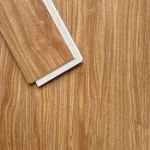
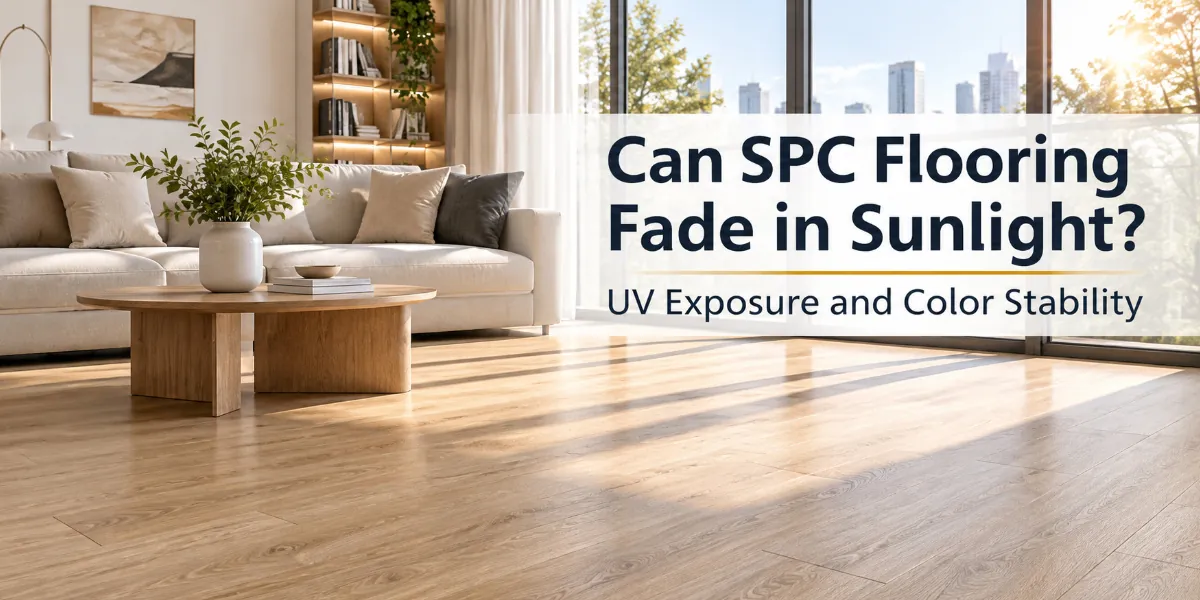
SPC flooring fading in sunlight is a concern for homeowners, flooring distributors, and project buyers, especially when floors are installed in rooms with large windows or strong direct sunlight. Although SPC flooring is designed for durability and everyday use, prolonged UV exposure may gradually affect its surface appearance and color stability. Understanding how sunlight interacts with different flooring layers can help buyers select suitable products and reduce the risk of discoloration over time.
Why Can SPC Flooring Fade in Sunlight?
Understanding the causes of SPC flooring fading in sunlight is important when selecting flooring for bright residential and commercial spaces. Prolonged UV exposure, high temperatures, and product quality can all influence the long-term appearance of SPC flooring.
Several factors influence this process:
- UV exposure: Prolonged ultraviolet radiation may affect the color stability of surface coatings and decorative materials.
- High temperatures: Direct sunlight can increase floor surface temperatures, potentially affecting dimensional stability and material performance.
- Exposure duration: Flooring near large windows may receive more concentrated sunlight than flooring in shaded areas.
- Product quality: The formulation of UV coatings, decorative films, and manufacturing processes can influence long-term appearance.
It is also important to distinguish between color fading and heat-related dimensional changes. They are separate performance concerns and should be evaluated independently when selecting SPC flooring.
How Does the UV Coating Protect SPC Flooring?
UV coating is an important surface treatment used in many SPC flooring products. It helps protect the flooring surface against everyday wear and environmental exposure, including sunlight.
A typical SPC flooring plank consists of several layers, each serving a different purpose:
- UV coating: Provides surface protection and helps improve resistance to stains, wear, and UV-related appearance changes.
- Wear layer: Protects the decorative surface against scratches, scuffs, and everyday abrasion.
- Decorative film: Creates the visible wood-grain, stone-look, or marble patterns that determine the flooring’s appearance.
- SPC core: Provides structural support, rigidity, and dimensional stability.
- Underlayment: An optional backing layer that can improve underfoot comfort and sound insulation.
Although UV coating contributes to surface protection, it does not make SPC flooring completely immune to sunlight. Its effectiveness depends on the coating formulation, application process, and overall manufacturing quality.
Buyers should also understand that UV coating and wear layer thickness are not interchangeable specifications. For a closer look at surface protection, read our guide to SPC flooring wear layer thickness and performance.

Do Different SPC Flooring Colors Fade Differently?
The visual effects of prolonged sunlight exposure may vary depending on the flooring color, decorative pattern, and surface finish.
Light-colored SPC flooring
White, beige, and light oak designs create a bright and spacious appearance. However, subtle color changes may be easier to notice when comparing areas exposed to sunlight with shaded sections.
Dark-colored SPC flooring
Dark brown, charcoal, and other deep tones can show appearance changes differently. Dust, surface marks, and differences between exposed and covered areas may also influence how noticeable these changes become.
Wood-grain and stone-look designs
Decorative patterns can influence the visibility of minor color variations. Natural-looking grain patterns may make subtle differences less noticeable than large, uniform color surfaces.
However, no particular color or decorative pattern is guaranteed to resist fading better than another. Actual performance depends more on material quality, surface treatment, and manufacturing consistency.
How to Protect SPC Flooring Near Large Windows
SPC flooring can be used in rooms with large windows, but proper sunlight management is important for maintaining its appearance.
Here are several practical recommendations:
- Install curtains or blinds: Window coverings can reduce direct sunlight exposure, especially during periods of intense sunlight.
- Consider UV-filtering window films: Suitable window films can help reduce the amount of ultraviolet radiation entering the room.
- Reposition rugs occasionally: Rugs protect selected floor areas, but leaving them in the same position for long periods may create visible differences between covered and exposed sections.
- Maintain suitable indoor temperatures: Avoid excessive temperature fluctuations and follow the manufacturer’s recommended installation conditions.
- Follow installation guidelines: Correct expansion gaps and installation practices help accommodate temperature-related movement.
For commercial projects with extensive glazing, these precautions should be considered during the flooring specification and installation planning stages.
How to Evaluate SPC Flooring Color Stability
For flooring importers, distributors, and project developers, evaluating color stability before placing a bulk order is an important part of product quality control.
Rather than relying only on product descriptions, buyers should consider the following factors:
1. Check UV coating specifications
Ask the manufacturer about the UV coating formulation, application process, and surface protection features. Confirm whether the specifications are consistent across different product collections.
2. Request relevant test reports
Ask whether the supplier can provide light-resistance or color-stability test reports. ASTM F1515 is one reference test method for evaluating the light stability of resilient flooring. The applicable testing method and conditions should match the product and intended market.
3. Compare samples under consistent conditions
Request samples from the same production batch and compare their appearance before and after controlled light exposure. Consistent lighting and observation conditions help make the comparison more meaningful.
4. Review product performance information
Discuss the intended installation environment with the supplier. Ask about product suitability for areas exposed to strong sunlight and request relevant installation and maintenance recommendations.
Combining technical documentation, sample evaluation, and supplier communication provides a more reliable basis for purchasing decisions.
Choose SPC Flooring for Your Project
Although SPC flooring offers a practical solution for residential and commercial interiors, SPC flooring fading in sunlight remains an important consideration for projects with extensive window exposure. Choosing products with suitable UV protection and reliable manufacturing quality can help maintain their appearance over time.
For importers, wholesalers, and project buyers, selecting products with appropriate surface protection, reliable manufacturing quality, and clear technical specifications can help reduce potential quality concerns.
YPRO Flooring supplies SPC flooring solutions for international markets, with different product specifications and decorative designs for various applications. Contact our team to discuss your requirements, request product samples, and find suitable SPC flooring for your market.